



Cat eye care is an essential part of keeping your feline friend healthy and comfortable. Learning how to clean cat eyes safely can help remove everyday discharge, maintain eye hygiene, and reduce the buildup that contributes to cat tear stains. Regular cat eye cleaning is especially important for Persian cats, Exotic Shorthairs, and other flat-faced breeds. However, excessive tearing, redness, or unusual discharge may indicate an underlying problem rather than poor hygiene. This guide explains how to care for your cat’s eyes, choose suitable cleaning supplies, and recognize when veterinary attention is needed.
1. Check Your Cat’s Eyes Regularly
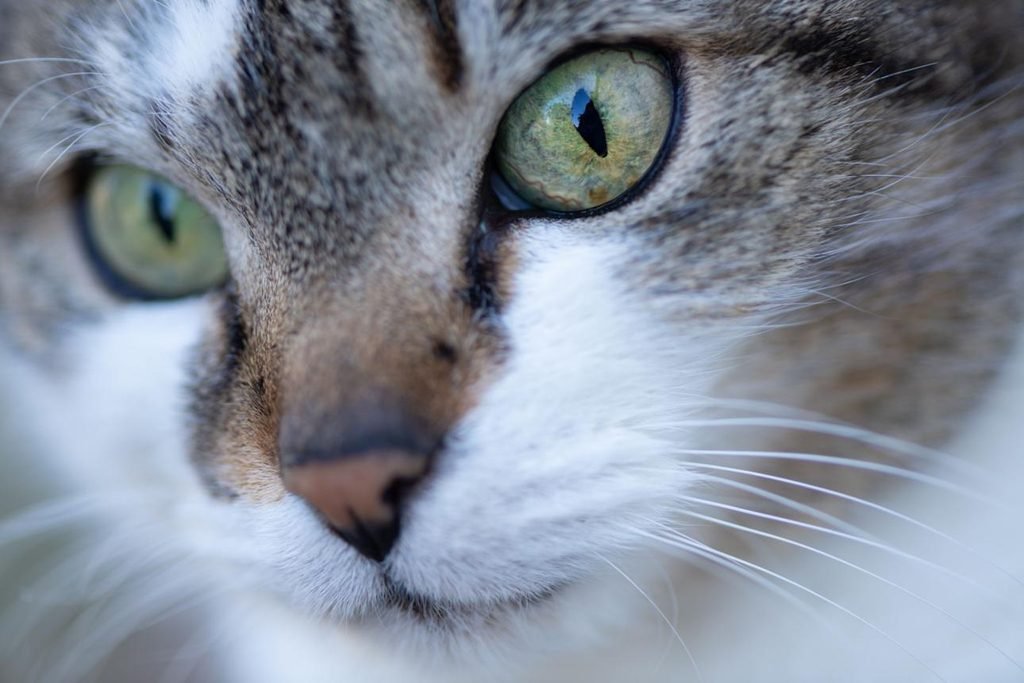
Healthy cat eyes are generally clear, bright, and free from significant redness or swelling. A small amount of dried discharge at the inner corners can be normal. Check both eyes daily for excessive tearing, cloudy surfaces, frequent blinking, or changes in discharge.
2. How to Clean Cat Eyes Safely
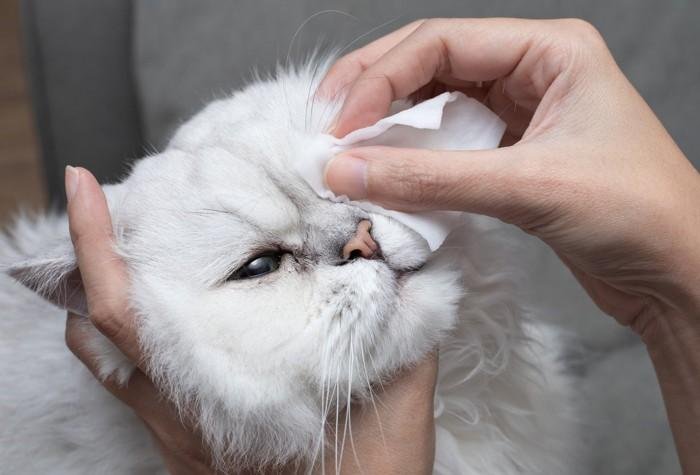
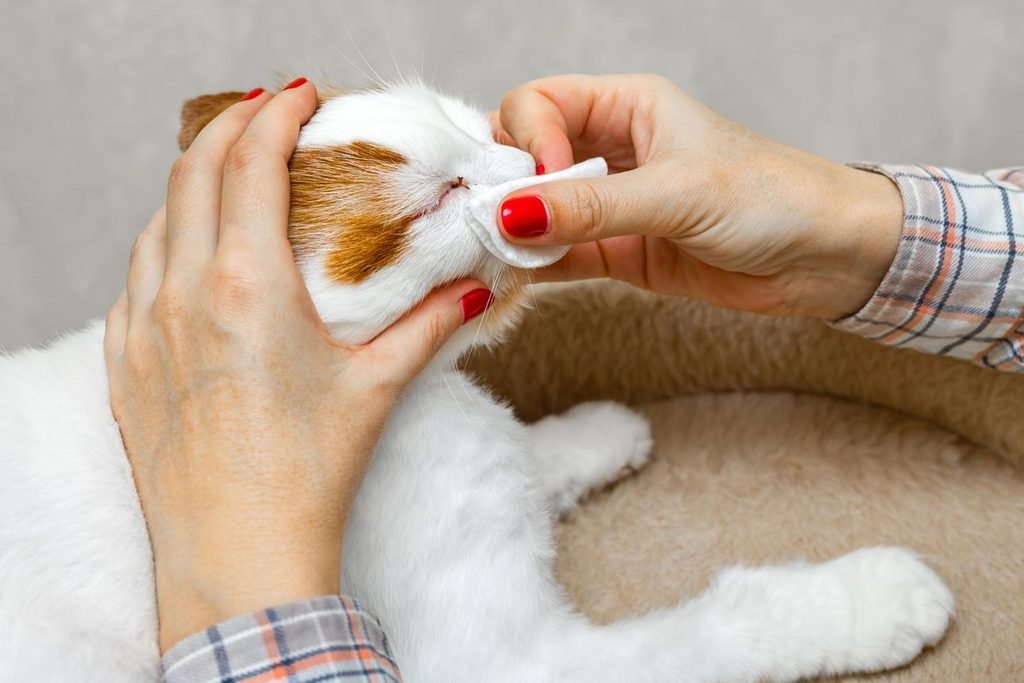
Follow these simple steps for gentle cat eye cleaning:
- Keep your cat comfortable. Choose a quiet place and gently support your cat without restraining the head forcefully.
- Prepare suitable supplies. Use sterile saline solution and clean, soft gauze pads or lint-free wipes suitable for the eye area.
- Soften dried discharge. Moisten the gauze and gently hold it against dried debris until it softens.
- Wipe gently. Clean the outer eye area from the inner corner outward. Use a fresh pad for each eye.
- Dry the surrounding fur. Gently pat the area dry to prevent prolonged moisture around the eyes.
Never rub the eyeball, pull away hard crusts, or apply human eye drops without veterinary advice.
3. Prevent Cat Tear Stains
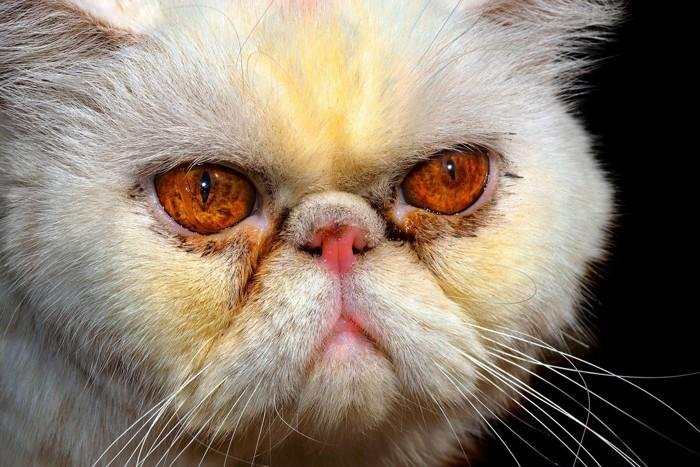
Flat-faced cats may experience tear overflow because of their facial anatomy. White and long-haired cats can also show tear stains more visibly. Gently clean the surrounding fur and keep it dry. Persistent tearing should be assessed by a veterinarian, particularly when accompanied by irritation or discomfort.
4. When Should You See a Veterinarian?
Seek prompt veterinary care if your cat has persistent squinting, difficulty opening an eye, marked redness, yellow or green discharge, or a cloudy or bluish-looking eye. Eye injuries, bleeding, and sudden changes in the eyes require urgent assessment.
Avoid alcohol, hydrogen peroxide, essential oils, and unprescribed medicated eye drops around the eyes.
5. How Often Should You Clean Your Cat’s Eyes?
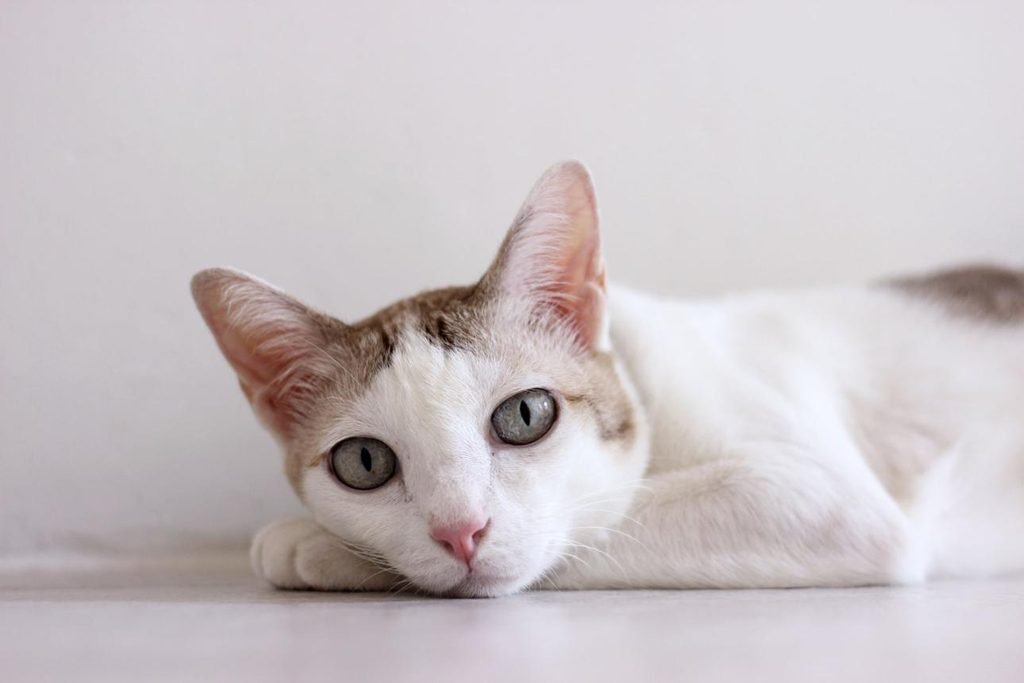
Check your cat’s eyes daily and clean only when needed. Cats with healthy eyes and little discharge generally do not need frequent cleaning. If discharge or tearing keeps returning, arrange a veterinary examination instead of simply increasing cleaning frequency.
Healthy eyes start with gentle care. Regular observation, appropriate cleaning, and timely veterinary attention help keep your cat comfortable and support long-term eye health.