
Part 1: The “Hidden Traps” Behind the Internet Fame
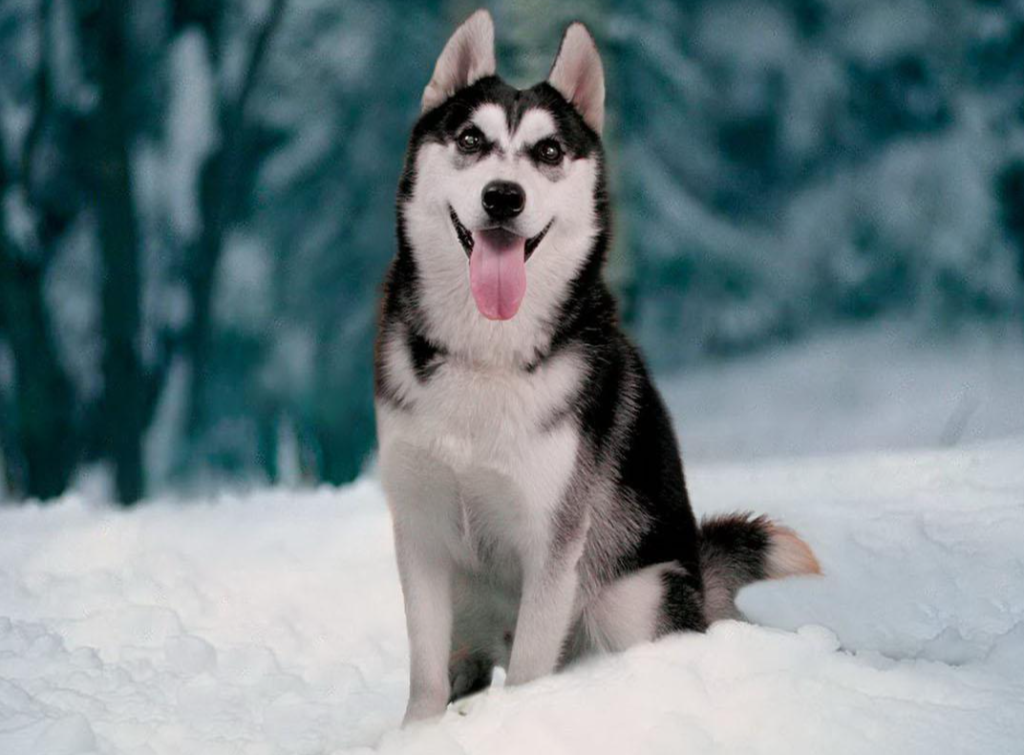
The Siberian Husky, with its wolf-like appearance, expressive face, and famously destructive “escape artist” antics, has become a globally popular “internet-famous” dog. Energetic and independent, they seem perpetually dramatic. However, behind this captivating online persona, this ancient working breed, known for its endurance, faces several prevalent hereditary “health traps.” These hidden issues, linked to their Arctic ancestral heritage and modern breeding choices, can affect their health from a young age, yet are often mistaken for mere “mischief” or “goofiness.”
Part 2: Core Health Threats: From Eyes to Joints
1. Juvenile Cataracts: Cataracts involve clouding of the eye’s lens, leading to vision loss and eventual blindness. In Siberian Huskies, a hereditary form called Juvenile Cataracts is particularly prevalent. In 2025, a Husky as young as 2 years old was taken to the vet after frequently bumping into furniture at home, and was diagnosed with hereditary juvenile cataracts causing significant vision impairment. The owner realized, “It kept bumping into things lately. I just thought it was too excited while being destructive to watch its step.” Symptoms start in youth (months to a few years old), manifesting as blurred vision, a whitish haze in the pupil, and can lead to complete blindness. Studies show an incidence as high as 20% in the breed.
2. Hip Dysplasia (HD): Similar to the challenge faced by German Shepherds, this is a developmental disorder of the hip joint leading to arthritis. Huskies are also significantly affected, with an incidence of around 30%. Symptoms include hind leg lameness, difficulty rising, reluctance to run or jump, and a “bunny-hopping” gait. Severe arthritis causes chronic pain and mobility issues.
3. Zinc-Responsive Dermatosis: This is a skin disorder caused by a hereditary defect in zinc absorption, especially common in Arctic breeds like Huskies, affecting over 40%. Symptoms include hair loss, redness, crusting, and scaling around the mouth, eyes, elbows, etc., often with intense itching. Unlike dietary zinc deficiency, the body cannot effectively utilize zinc from food.
Analysis of Causes: The root of these conditions is closely tied to genetics. Juvenile cataracts and zinc malabsorption are linked to specific genes or strong hereditary predispositions. Hip dysplasia results from a combination of genetic (joint structure) and environmental (nutrition and exercise during puppyhood) factors.
Part 3: Diagnosis, Prevention, and Holistic Management
Diagnosis:
- Ophthalmic Examination: A veterinarian can diagnose and stage cataracts using a slit-lamp biomicroscope. Regular professional eye exams are crucial.
- Orthopedic Screening: X-rays (e.g., PennHIP or OFA protocols) can diagnose or assess the risk/severity of hip dysplasia early.
- Dermatologic Diagnosis: Diagnosis of zinc-responsive dermatosis involves clinical signs, a history, and may require skin biopsy or confirmation via a positive response to zinc supplementation.
Comprehensive Prevention and Management Strategies:
- Scientific Breeding is Fundamental: When choosing a puppy, always request the parent dogs’ ophthalmic examination (e.g., CERF) and hip screening (PennHIP/OFA) reports to avoid known risks at the source.
- Life-Stage Scientific Management: During puppyhood, avoid excessive exercise and high-impact activities, and control growth rate to prevent hip issues. For life, use a harness instead of a collar to protect the neck and trachea.
- Nutrition and Supplementation: Provide high-quality, balanced dog food. For at-risk individuals, supplement with highly bioavailable zinc (e.g., zinc methionine) under veterinary guidance to prevent or manage skin conditions. Avoid over-supplementing calcium, which can affect joint development.
- Regular Monitoring: Establish a routine of annual health checks, with special attention to eye and joint examinations, for early detection and intervention.
Part 4: Scientific Guardianship Beyond the “Internet Famous” Label
The health concerns of the Siberian Husky remind us not to let their “meme” and “furniture-destroyer” internet persona blind us to the true needs of a vibrant breed with a unique genetic heritage. Loving a Husky means understanding and accepting it wholly: not just the joy it brings, but also the genetic challenges it may carry. This requires clear-eyed decision-making from the moment we choose a puppy, actively seeking scientific evidence (health screening reports), and implementing preventive care throughout its life. True “guardianship” means helping them overcome the burden of genetic “traps,” allowing their boundless energy to be unleashed from a healthy body—to run, to explore, and to express the true glory of their sled-pulling heritage.