

Part 1: The Silent Alarm Beneath the Sweet Exterior
The Bichon Frise, with its fluffy white coat, dark sparkling eyes, and affectionate nature, resembles a sweet, delightful “cotton ball” and is adored by countless families. However, beneath this pure and charming exterior lies a significant “health alert”—a series of prevalent conditions, notably hereditary heart disease and joint issues. These health problems often progress insidiously, with their early subtle signals easily mistaken for harmless “quirks,” yet they can erupt suddenly at any moment, threatening the dog’s life.
Part 2: Core Health Threats: The Dual Challenge of Heart and Joints
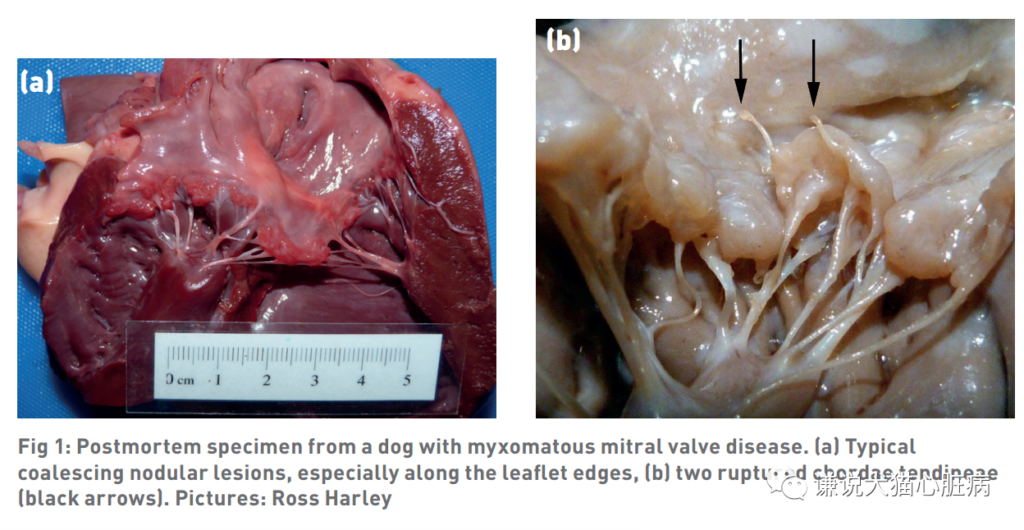
1. Myxomatous Mitral Valve Disease (MMVD): This is the most common heart disease in Bichon Frises, also known as degenerative valve disease. It involves the thickening and deformation of heart valves (such as the mitral valve) due to myxomatous infiltration, causing valve leakage. This leads to blood backflow, forcing the heart to work overtime, eventually resulting in heart enlargement (cardiomegaly) and heart failure. In 2024, a 6-year-old Bichon was rushed to the hospital after suddenly collapsing and having seizures. He was diagnosed with acute heart failure due to MMVD. The owner recalled in grief, “It only coughed occasionally. I thought it was just a throat irritation. I never imagined it could be this serious.” Examinations revealed its heart was 1.5 times the normal size. Early symptoms are subtle: intermittent coughing (especially at night or at rest) and mild exercise intolerance. Late-stage symptoms include difficulty breathing, abdominal distension (ascites), weakness, fainting, and can lead to sudden death. The incidence in Bichons is as high as 25%.
2. Patellar Luxation: A common orthopedic issue in small breeds, it refers to the kneecap (patella) slipping out of its normal groove. It is extremely prevalent in Bichons, especially smaller individuals, with a rate exceeding 30%. Symptoms are graded from I to IV, ranging from occasional luxation that self-corrects (manifesting as sudden leg lifting, limping) to permanent dislocation causing persistent lameness, reluctance to bear weight on the hind leg, muscle atrophy, and ultimately arthritis and pain.
3. Other Common Issues: The Bichon’s signature large eyes and light coat also bring challenges. Tear staining and eye inflammation (e.g.,, conjunctivitis, corneal ulcers) are extremely common, related to easily blocked tear ducts, hair irritation around the eyes, and genetic predisposition.
Analysis of Causes: Both MMVD and patellar luxation have a strong genetic predisposition, which is the root cause of their high breed incidence. Additionally, obesity, advanced age, and a lack of moderate exercise significantly accelerate MMVD progression and cardiac strain. Improper physical activity (such as prolonged standing, jumping, climbing stairs) exacerbates patellar luxation.
Part 3: Screening, Management, and Comprehensive Prevention
Screening and Diagnosis:
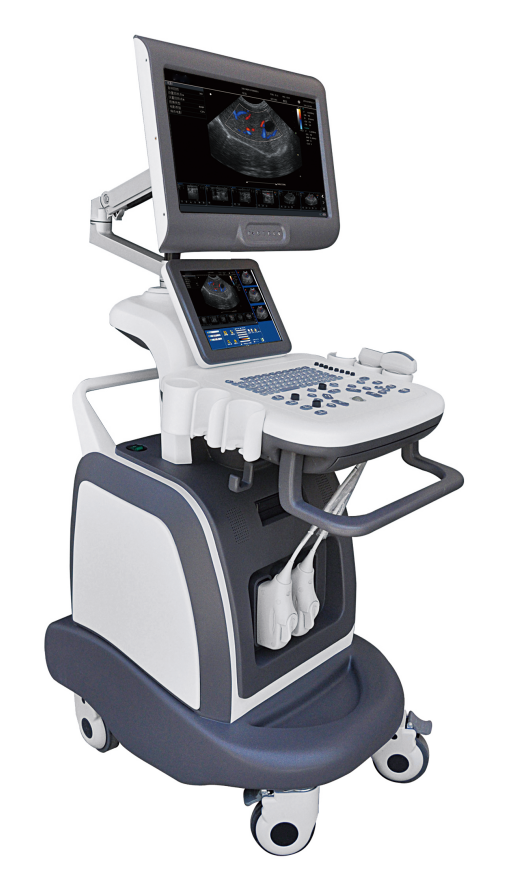
- Cardiac Screening: An annual echocardiogram (heart ultrasound) is the gold standard for diagnosing and monitoring MMVD, allowing precise assessment of heart size, valve morphology, and function. Auscultation (listening for heart murmurs) is an important preliminary screening tool. The blood test NT-proBNP helps assess the degree of heart failure.
- Orthopedic Examination: A veterinarian can initially diagnose and grade patellar luxation through manual manipulation and gait observation. X-rays can confirm the condition and assess the joint.
- Eye Care: Schedule regular veterinary eye exams. Observe daily for any redness or discharge.
Comprehensive Prevention and Management Strategies:
- Guardian of Heart Health: Starting from 5-6 years of age, schedule an annual professional echocardiogram. Maintain a low-sodium, balanced diet, and strictly control weight to prevent obesity. Provide gentle, regular exercise (like walks), and avoid intense chasing or over-excitement.
- Joint Protection Plan: Absolutely prohibit activities like prolonged standing, “begging” on hind legs, jumping, and frequent stair climbing. Keep floors non-slip to prevent falls. Consider supplementing with joint nutrients (e.g., chondroitin, glucosamine). Maintaining an ideal weight is crucial for reducing joint stress.
- Eye and Daily Grooming: Regularly trim overlong hair around the eyes to prevent corneal irritation. Clean the tear-stain area daily with专用 wipes and keep it dry. Seek veterinary care if eye redness or discharge persists.
- Breeding Selection: Prioritize puppies whose parent dogs have documentation of normal cardiac ultrasound reports and patellar luxation evaluations.
Part 4: From Appreciating Cuteness to Guarding Health
The health challenges of the Bichon Frise warn us that caring for a dog must go far beyond appreciating its sweet appearance. That occasional cough, the incidental limp, or the tear stains at the corner of the eyes could all be vital distress signals from its body. As owners, our responsibility is to become keen observers and proactive managers. This means making an annual echocardiogram a non-negotiable part of its healthcare, gently stopping it when it tries to stand on its hind legs to beg, and patiently grooming the hair around its eyes. True love is seeing beyond the adorable “cotton ball” exterior to recognize the genuine fragility of a living being, and using scientific knowledge and daily, meticulous care to build a solid barrier of health for it, allowing this sweet companionship to endure for a long time.