



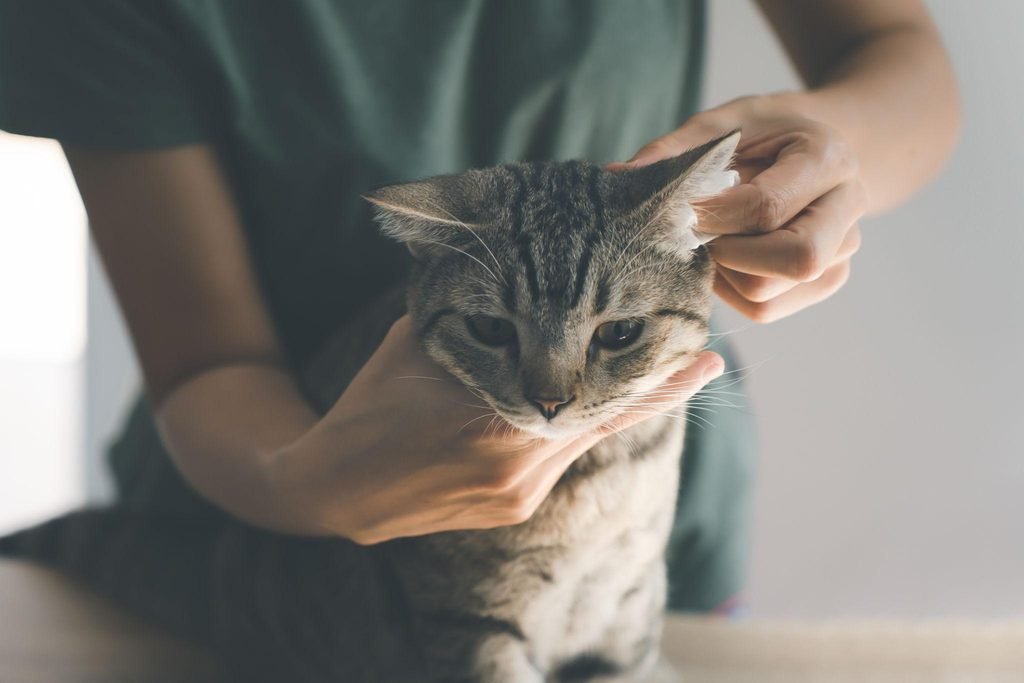
Cat ear care is an important part of maintaining your cat’s health and comfort. Learning how to clean cat ears safely helps you recognize wax buildup, irritation, and possible ear infections before they become more serious. Regular cat ear cleaning is not necessary for every cat, but checking the ears weekly can help identify problems early. Understanding the cat ear canal structure is especially important because a cat’s ear canal is curved and extends deeper than the visible outer ear. This guide explains cat ear anatomy, safe cleaning techniques, suitable supplies, and warning signs that require veterinary attention.
1. Understanding the Cat Ear Canal
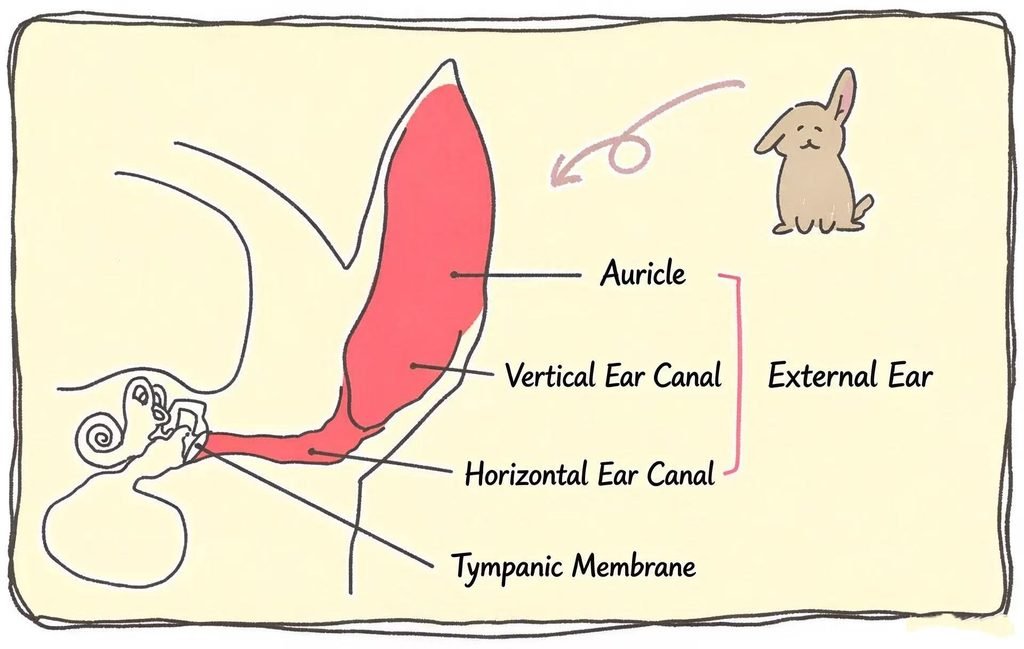
A cat’s ear includes the outer ear, middle ear, and inner ear. The external ear canal has vertical and horizontal sections, creating a curved, roughly L-shaped passage. This anatomy makes it difficult to see deep inside the ear and means that inserting cotton swabs can cause injury or push debris farther inward.
2. Signs Your Cat May Need Ear Care
Watch for frequent head shaking, scratching, redness, unusual odor, excessive wax, or dark discharge. Dark, coffee-ground-like debris can occur with ear mites, but other conditions can look similar. A veterinarian should determine the cause rather than relying on appearance alone.
3. How to Clean Cat Ears Safely
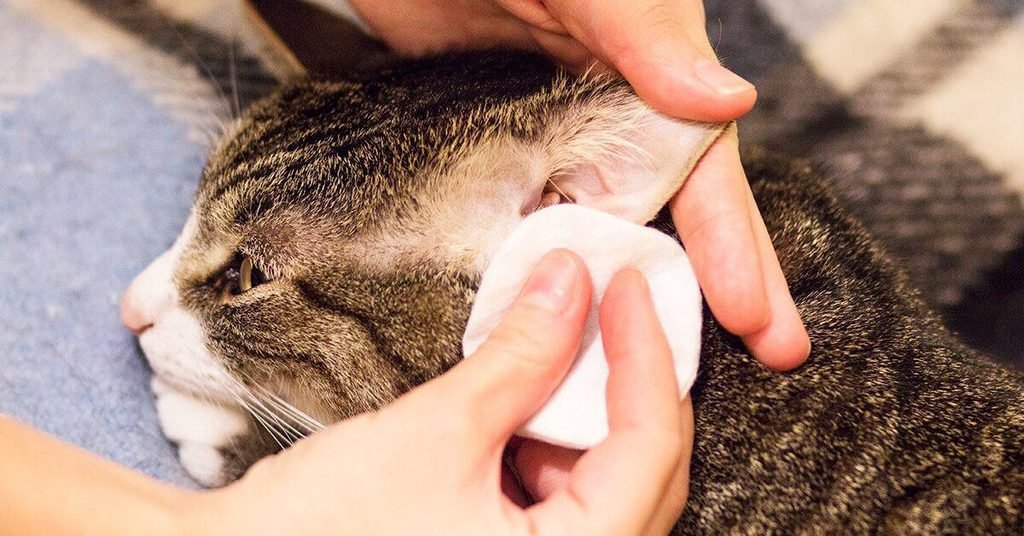
Follow these steps for safe cat ear cleaning:
- Keep your cat calm. Choose a quiet place and gently support your cat.
- Prepare the supplies. Use a veterinarian-recommended cat ear cleaner and soft cotton pads or gauze.
- Clean the visible area. Moisten a pad as directed and gently wipe the outer ear flap and accessible folds.
- Avoid deep insertion. Never push cotton swabs, fingers, or other objects into the ear canal.
- Reward your cat. Finish with praise or a treat to make future checks easier.
Do not pour liquid into an irritated or painful ear unless your veterinarian has advised you to do so.
4. Choosing the Right Ear Care Products
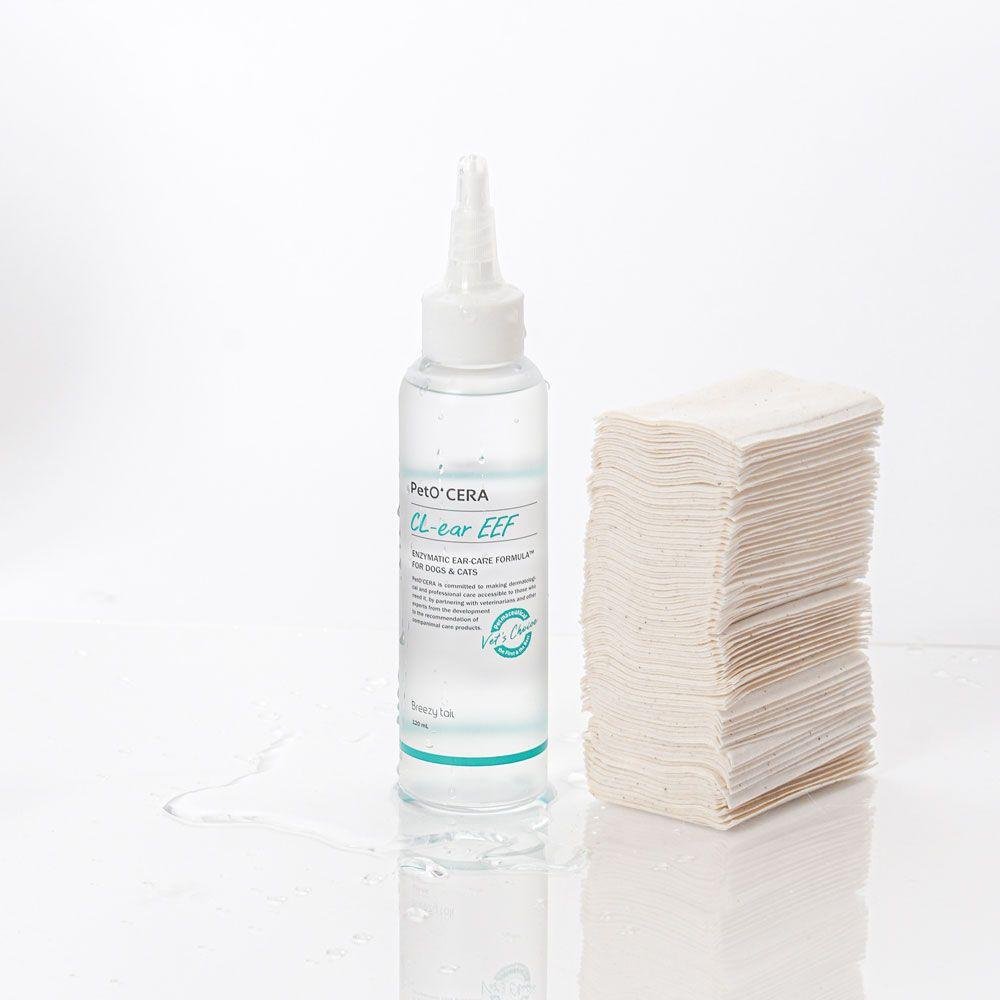
Choose products specifically formulated for cats and follow the label or veterinary instructions. Avoid alcohol, hydrogen peroxide, essential oils, and homemade cleaning mixtures, which may irritate the ear. If an ear infection or eardrum injury is suspected, seek veterinary advice before using a cleaner.
5. When Should You See a Veterinarian?
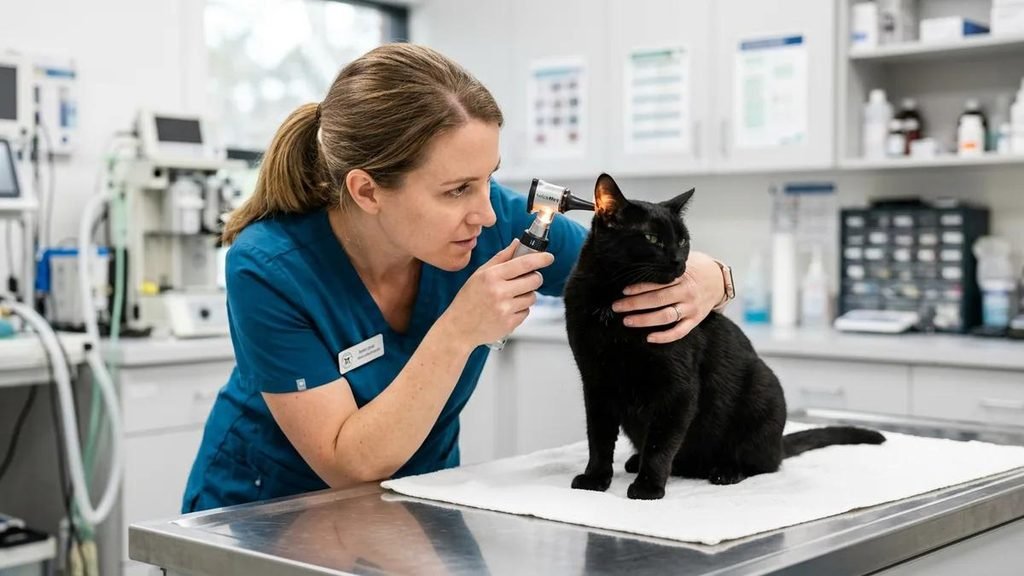
Seek veterinary care if your cat has persistent head shaking, pain, swelling, strong odor, bloody discharge, or worsening redness. Head tilt, loss of balance, or sudden hearing changes warrant urgent assessment.
Healthy ears start with gentle care. Check your cat’s ears weekly, clean only when needed, and consult a veterinarian if abnormalities persist.