



1. What Is Cat Tooth Extraction?
Extraction is a routine dental procedure used to treat severe periodontal disease, tooth resorption (TR) and feline chronic gingivostomatitis (FCGS). It is performed under general anesthesia with dental radiography—it is never as simple as “just pulling a tooth,” and preoperative assessment and anesthetic safety cannot be skipped.
2. Why Is Extraction Needed?
Common oral problems in cats include periodontal disease (frequent after age three), tooth resorption and stomatitis. Indications include grade III mobility, periapical abscess, resorptive lesions and teeth involved in stomatitis. Left untreated, these cause chronic pain and difficulty eating, and oral bacteria entering the bloodstream can affect the heart and kidneys.
3. Preoperative Assessment
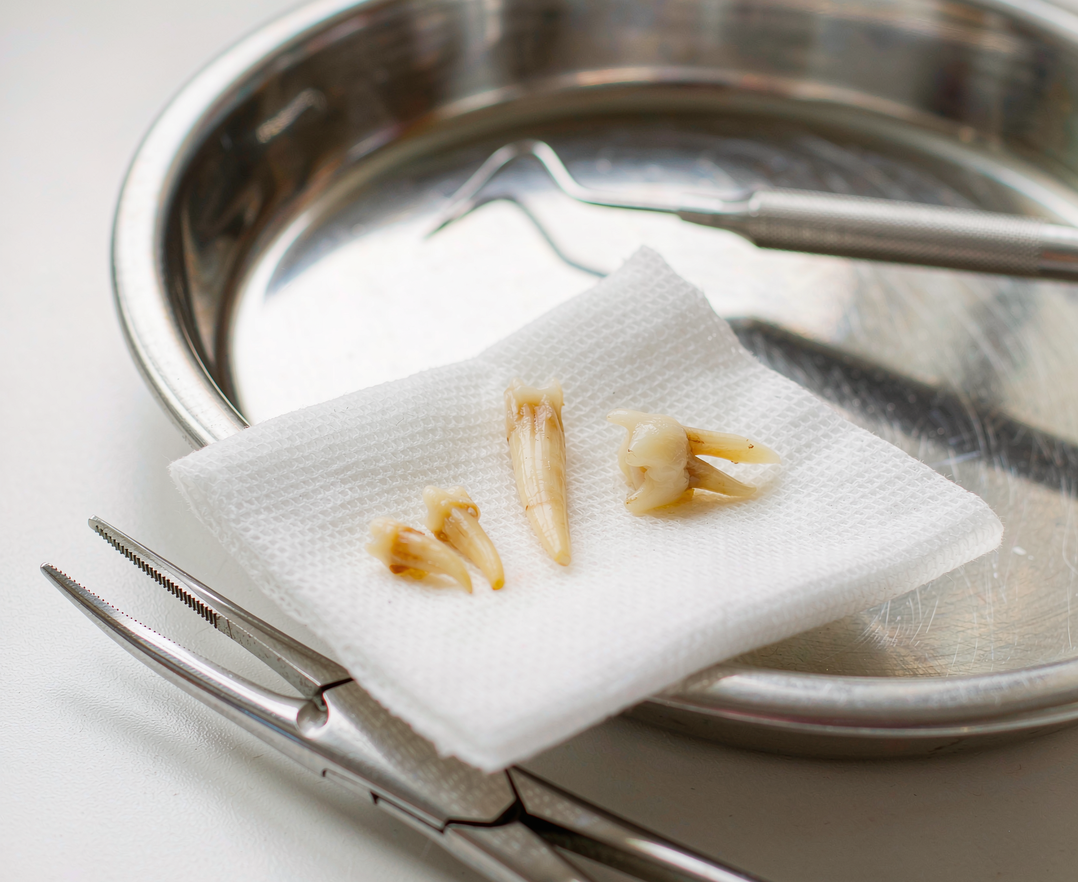
Dental radiographs are essential—they reveal resorptive lesions and retained roots that cannot be seen by eye. Oral examination, complete bloodwork, biochemistry and anesthetic risk grading are also performed. Cats with heart or kidney disease need adjusted anesthetic protocols and medication, along with the required fasting.
4. Surgery and Anesthesia
Surgery is performed under general anesthesia combined with local nerve blocks for stronger analgesia. Techniques include closed and open extraction; multi-rooted teeth (canines, molars) require sectioning, and a dental drill is used in complex cases. Thoroughly removing the entire root is key to avoiding a retained root that causes persistent infection and pain.
5. Postoperative Care
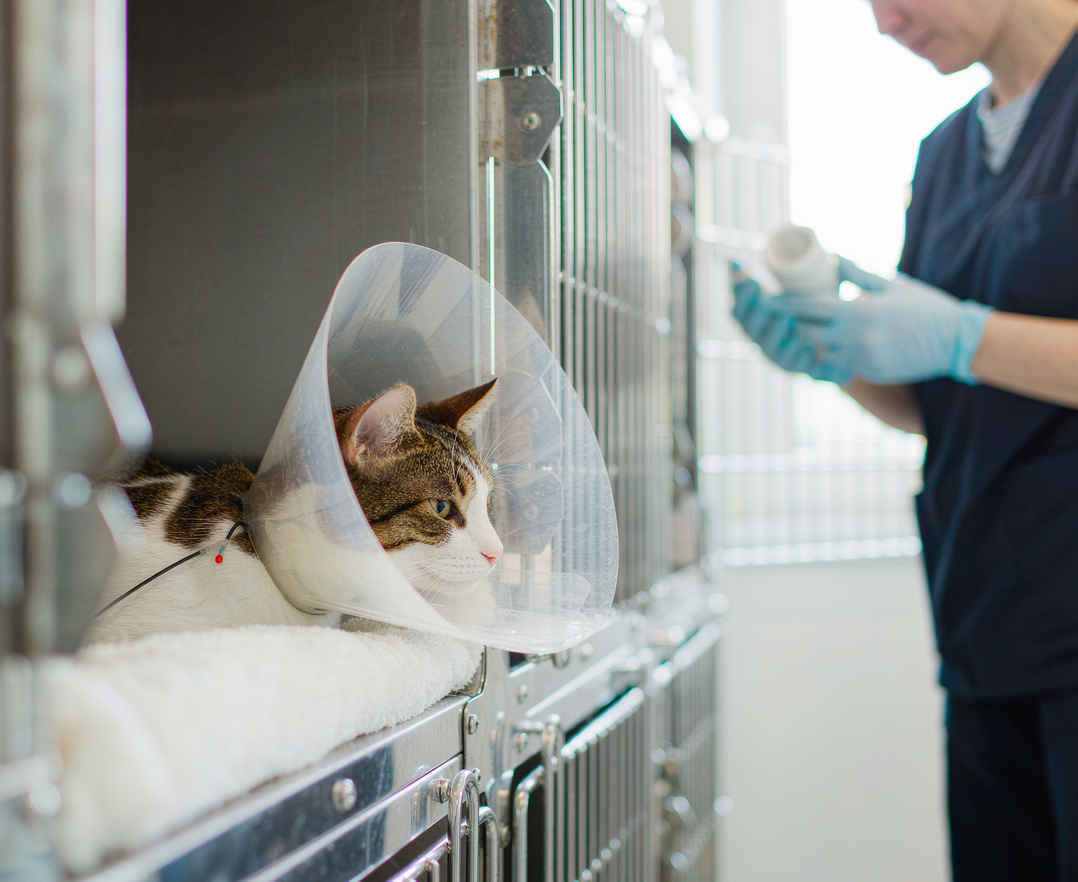
Provide pain management (NSAIDs, and gabapentin if needed). Feed soft or wet food for one to two weeks, and perform oral rinses or antibacterial care as directed. Stomatitis cases often require full or near-full-mouth extraction combined with immunomodulatory therapy to control pain and improve quality of life.
6. Risks, Myths and Prevention
Risks include bleeding, infection, mandibular fracture (especially at the canine) and retained roots. Common myths—that a cat cannot eat without teeth, or that cleaning damages teeth—are inaccurate; cats adapt well to soft food. Prevention relies on regular oral examinations, professional cleaning and consistent home brushing to catch problems early.
Source: Fossum TW, Small Animal Surgery, 5th ed., Elsevier, 2019; Harvey CE & Rackley J., veterinary dentistry.