



1. What Is Chronic Rhinitis?
Rhinitis is inflammation of the nasal mucosa. Acute cases are usually viral (feline herpesvirus FHV-1, calicivirus FCV) causing upper respiratory syndrome; persistence beyond about 4 weeks is chronic rhinitis or sinusitis. Chronic disease often follows repeated viral hits that damage cilia, allowing bacteria (Pasteurella, Mycoplasma) to colonize—a viral-priming, bacterial-maintenance cycle, with polyps or dental sinusitis also contributing.
2. When to See a Vet
Signs: persistent or recurrent sneezing, unilateral or bilateral purulent (yellow-green) discharge, congestion (mouth-breathing, snoring), epiphora, conjunctival redness, anorexia (loss of smell), occasional epistaxis, and facial asymmetry from masses or dental disease. Kittens show fever, conjunctivitis, oral ulcers; chronic cats look otherwise well but sneeze and drain long-term, often misread as recurrent colds.
3. Diagnosis and Examination
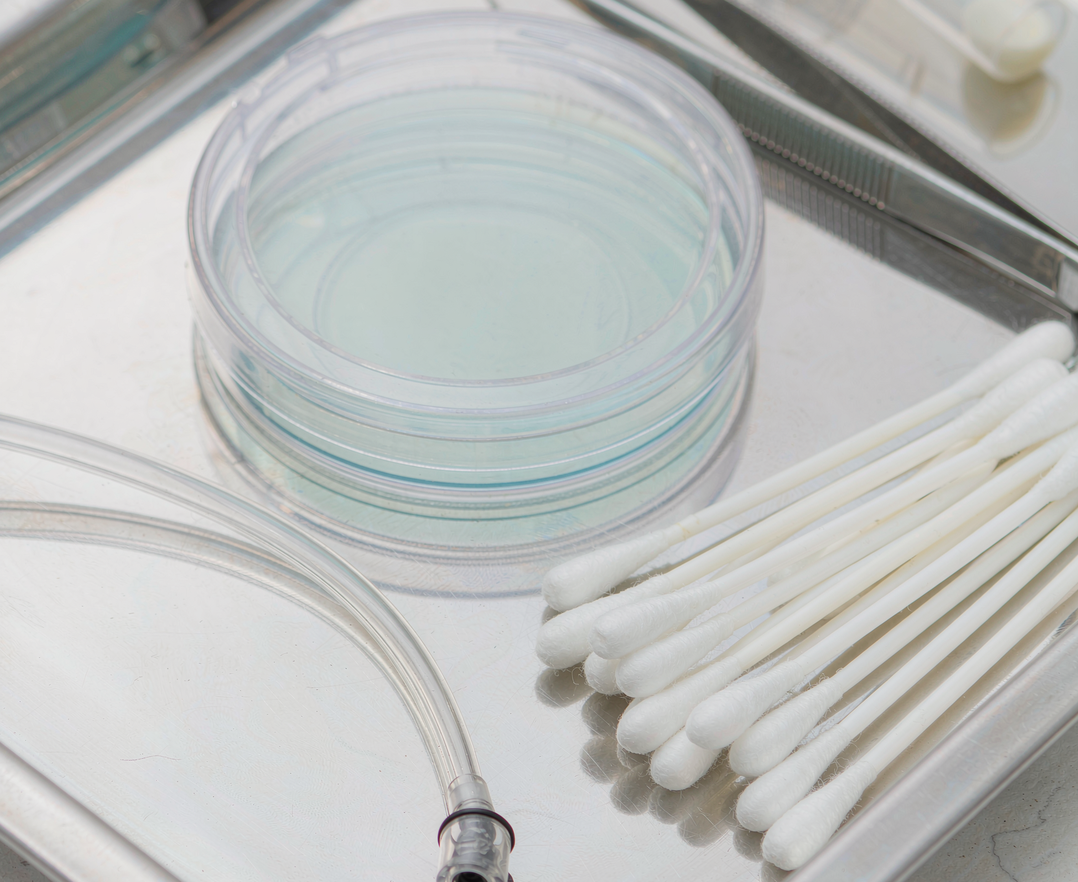
Work-up: nasal and oropharyngeal exam; PCR of swabs for FHV-1, FCV, Chlamydia, Mycoplasma; imaging (radiography or CT) of sinuses and nasal cavity, dental radiographs for tooth-root disease; rhinoscopy with biopsy; rule out asthma, foreign body, or neoplasia.
4. Treatment
Antivirals (lysine; famciclovir for FHV flares, vet-only), long-term low-dose antibiotics for secondary bacteria, saline nasal flushing and nebulization; corticosteroids help some immune-mediated cases; extract diseased teeth if dental; polyps or tumors need surgery or radiation. Home humidification and nutrition support. The goal is control and fewer relapses, not always a one-time cure.
5. Home Care
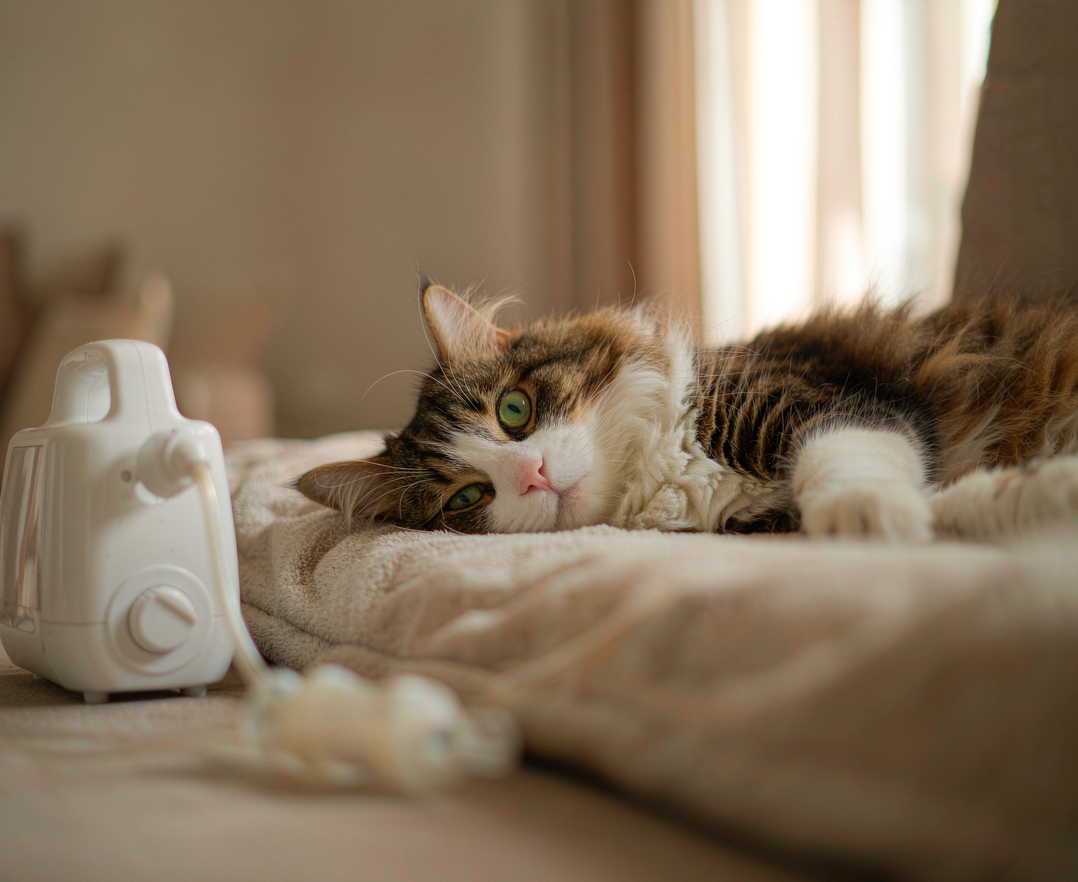
Home humidification (humidifier, steam) eases congestion; warm compress on the bridge; soft or warm food boosts appetite (smell is impaired); prescribed nasal drops or nebulization; isolate new cats; keep the environment low-dust and fragrance-free. Never give human cold meds—acetaminophen is fatal to cats.
6. Risks, Myths and Prognosis
Risks: sinusitis, dacryocystitis, dental infection, stenosis, weight loss. Myths: ‘sneezing means a cold’ (chronic needs a cause), ‘human cold meds are OK’ (acetaminophen kills), ‘yellow discharge equals severe’ (context matters). Prognosis: most are well controlled but relapse-prone; kitten acute infections usually resolve; chronic cases need long-term management, a few require surgery.
Source: Ettinger SJ, Feldman EC, Textbook of Veterinary Internal Medicine, 9th ed., Elsevier, 2024.