



What looks like a hairball may be a cry for air. Feline asthma quietly tightens the airways—until one day your cat can hardly breathe.
1. What Is Feline Asthma?
Feline asthma is the most common chronic lower-airway disease of cats. At its core lies allergic airway inflammation: after inhaling allergens, the airway lining swells, smooth muscle spasms and mucus accumulates, narrowing the bronchial tubes. Common triggers include dust mites, pollen, cigarette smoke and cooking fumes, dusty litter, perfumes and stress. Its mechanism mirrors human asthma, but a cat’s signs are far subtler.
2. What Are the Warning Signs?
· A recurrent dry cough or retching, often mistaken for a hairball (asthma usually brings up foam and mucus, rarely a hairball)
· Wheezing, faster breathing, and labored exhalation
· Reduced activity and exercise intolerance
· Open-mouth breathing or bluish gums—an emergency requiring immediate care
3. How Is It Diagnosed?
Diagnosis rests on history and testing. Chest radiographs may show a bronchial or interstitial pattern, “air trapping” (over-inflated lungs with a flattened diaphragm), and “tramline” or “donut” opacities. Heartworm, lungworm, pneumonia, pleural effusion and heart disease must be ruled out. When feasible, bronchoalveolar lavage (BAL) reveals eosinophilic inflammation, and a therapeutic trial (improvement on steroids) is often used.
4. How Is It Treated?
1. Corticosteroids: oral prednisolone, or inhaled fluticasone with a spacer—targeted, with fewer side effects, and the preferred long-term control
2. Bronchodilators: salbutamol or terbutaline for acute relief
3. Environmental control: air purification, dust-free litter, and freedom from smoke and strong scents
4. Weight management and regular rechecks
5. During an Acute Attack
Severe dyspnea and open-mouth breathing are emergencies: provide oxygen, minimize stress, and give corticosteroids ± bronchodilators. Because stress worsens attacks, never force the mouth open to medicate a struggling cat.
6. Long-Term Care and Prognosis
With consistent inhaled therapy, most cats remain stable and enjoy a good quality of life. The keys are sticking to treatment, reducing triggers and regular follow-up—turning a “hairball” misunderstanding into timely protection.
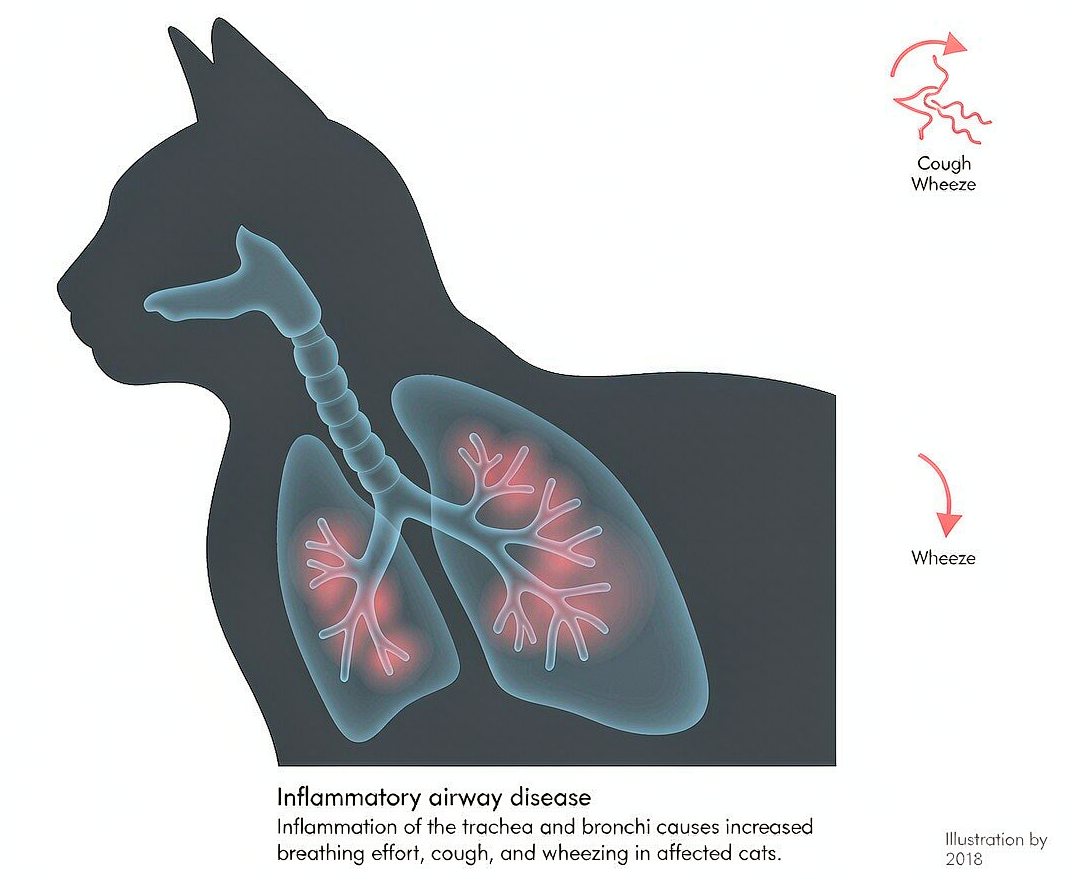
Figure 1. Classic signs of feline asthma — coughing, wheezing, and labored breathing.
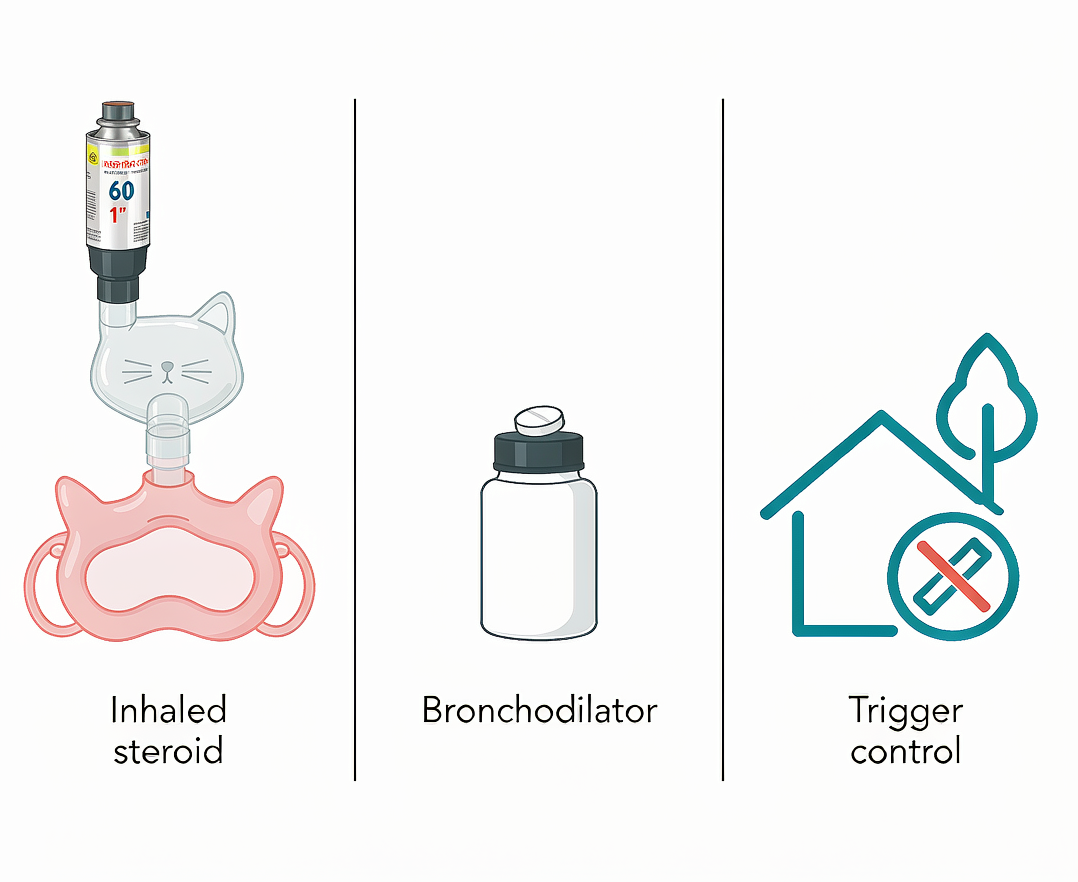
Figure 2. Three keys to control — inhaled steroids, bronchodilators, and trigger control.
Terminology Sources
· Diagnostic and treatment update — Trzil JE, Feline Asthma: Diagnostic and Treatment Update, Vet Clin North Am Small Anim Pract, 2020.
· Pathogenesis & differential diagnosis — Ettinger SJ, Feldman EC, Cote E, Textbook of Veterinary Internal Medicine, Elsevier, 2024.