

French Bulldog: Breathing Difficulties “Kidnapped” by Human Aesthetics

Part 1: Breed Overview and the Dilemma
The French Bulldog has gained global popularity for its stocky build, bat-like ears, and flat face—features that trigger human nurturing instincts. However, this cuteness conceals a heavy health cost. In 2022, a Frenchie named “Quasimodo” drew public attention due to severe Brachycephalic Obstructive Airway Syndrome (BOAS), a case that exposed the breed’s common struggles with respiratory distress and spinal deformities. The extreme brachycephalic traits of modern French Bulldogs are the result of a century of selective breeding, where humans intensified the “flat-faced cute” appearance, leading to fundamental alterations in their skull structure.
Part 2: The Core Disease: Understanding BOAS
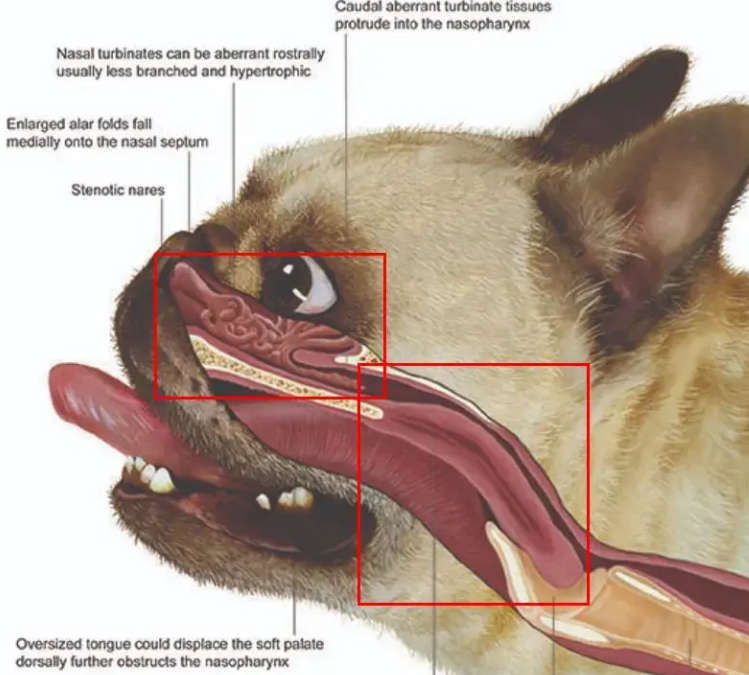
Brachycephalic Obstructive Airway Syndrome (BOAS) is a combination of upper respiratory tract structural abnormalities that severely compromise a dog’s breathing efficiency. A 2026 study in PLOS One indicated the heritability of respiratory function in French Bulldogs is as high as 49%. Main symptoms include: respiratory signs (e.g., wheezing, snoring), exercise intolerance, high heatstroke risk, cyanosis (bluish tongue) from chronic oxygen deprivation, and sleep disorders, which can be fatal in severe cases. BOAS is a classic anthropomorphic (human-selected) disorder. Its causes include: stenotic/collapsed nostrils, an elongated soft palate, tracheal hypoplasia, and everted laryngeal saccules. These abnormalities collectively form “breathing obstacles.”
Part 3: Diagnosis and Examination Methods
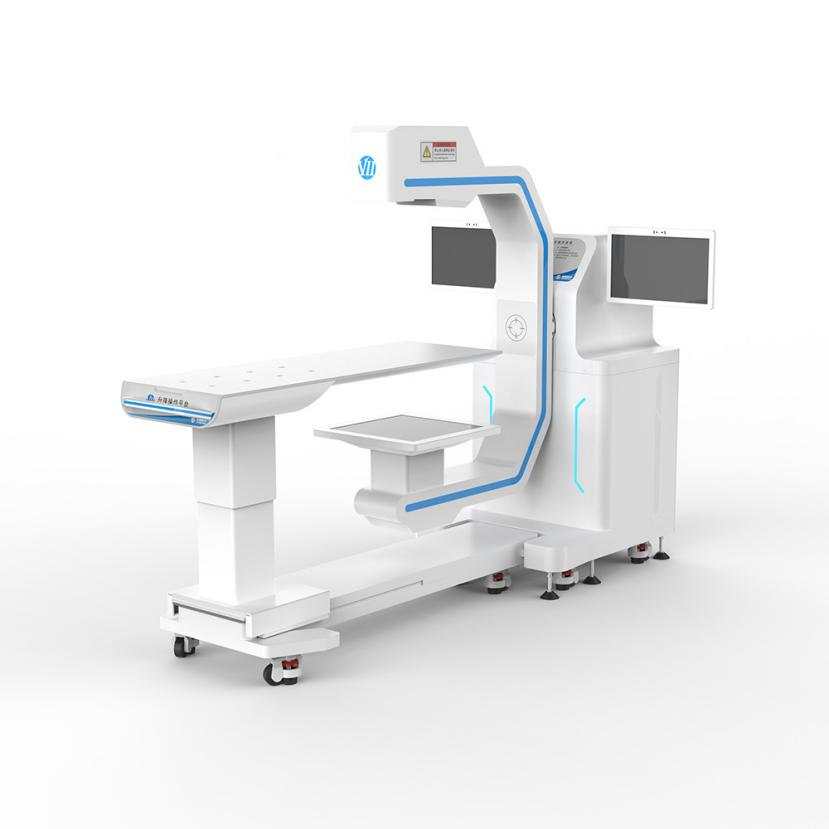
Diagnosing BOAS requires a combination of methods. Clinical examination involves basic assessment with a stethoscope and quantification using standardized systems like the BOAS grading score. Imaging diagnostics are crucial: Radiography (X-rays) evaluates the trachea and spine; Computed Tomography (CT) provides 3D reconstruction to measure airway stenosis precisely; Dynamic airway imaging observes airway movement in real-time. Endoscopic examinations (e.g., laryngoscopy, bronchoscopy) allow direct visualization of internal structures. Functional tests like exercise tolerance tests and sleep studies assess physiological impact. Furthermore, genetic testing for BOAS-related genes is now available to inform breeding choices.
Part 4: Prevention Strategies
Preventing BOAS requires action at the source and in the living environment. In breeding selection, prioritize dogs with wide nostrils and normal head proportions, avoid individuals with noisy breathing or poor exercise tolerance, use screening to phase out high-risk bloodlines, and support “health-first” breeding programs. For environmental management, avoid walking dogs in hot/humid weather, maintain a cool, ventilated home, and use a harness instead of a collar to reduce tracheal pressure. Prospective owners should request the puppy’s parents’ health records, choose responsible breeders who prioritize health, or consider adopting an adult Frenchie whose breathing issues are already known.
Part 5: Daily Care and Management
Comprehensive daily care is vital for owned French Bulldogs. Lifestyle adjustments include: strict weight control, as extra kilograms increase breathing difficulty; providing short, gentle exercise; using cooling vests and avoiding peak heat in summer; and raising food bowls for smaller, more frequent meals. For medical care, schedule specialized respiratory check-ups every 6
–
12 months, use anti-inflammatory drugs under veterinary guidance to reduce swelling, consider surgical intervention for moderate-severe BOAS, and learn to recognize signs of respiratory distress for emergency response. Furthermore, attention to mental well-being is key; provide ample stimulation through low-intensity activities like scent work and puzzle toys.
Part 6: Reflection and Future Outlook
The breathing plight of the French Bulldog is a microcosm of modern pet culture, reflecting how human aesthetic preferences can override animal welfare. Ultimately, the health of every pet depends on whether humans are willing to prioritize their genuine needs over our aesthetics. With increasing public awareness and the development of responsible breeding practices, we can hope to see healthier, happier French Bulldogs in the future—ones that do not have to sacrifice their fundamental right to breathe for the sake of being deemed “cute.”