

The Health Crisis Behind the Top-Ranked Emoji
Introduction: A Heartbreaking Reality
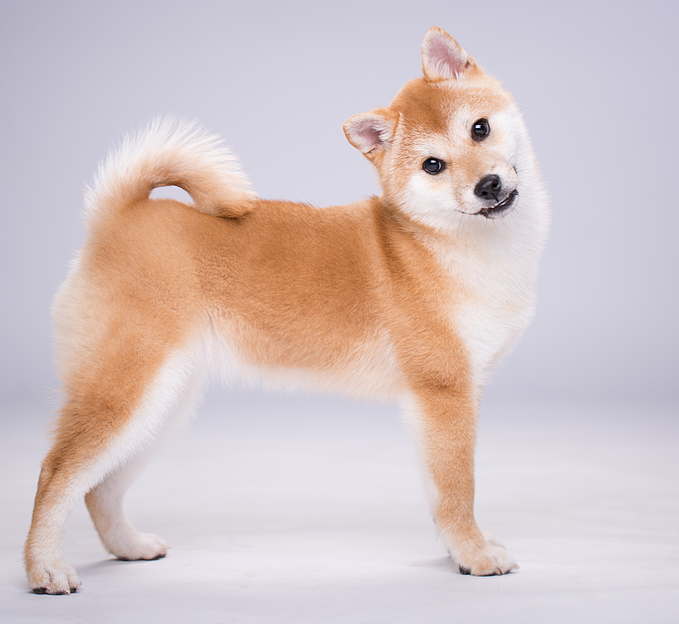
Do you remember Cheems, who healed the world with its adorable “head tilt”? This Hong Kong Shiba Inu, who melted the hearts of 20 million netizens, left us forever in 2023 due to severe respiratory disease and leukemia. What’s more heartbreaking is that its “meme predecessor”—Kabosu, the 18-year-old Japanese Shiba Inu (the original Doge)—was also reported to be in critical condition with leukemia and liver disease in 2022. As these online superstars fall one after another, we have to face a harsh reality: the Shiba Inu, a breed that has conquered the world with its smile, is under siege from both genetic disorders and age-related diseases!
Health Killer #1: Ocular Lesions
The primary genetic threat to Shiba Inus comes from their eyes. The combined incidence of glaucoma, cataracts, and retinal atrophy exceeds 30%. Owners should be alert to these signals: dogs frequently bumping into furniture or walls, hesitation to move in low-light conditions or at night, and an abnormal bluish or cloudy tint on the eye’s surface. A 2025 study in the Journal of Veterinary Ophthalmology presents even more sobering data: due to specific genetic defects, purebred Shiba Inus develop cataracts on average 5 to 8 years earlier than mixed-breed Shibas.
Health Killer #2: Joint Dislocation
Patellar luxation (knee joint dislocation) is a common congenital joint issue in Shiba Inus, affecting approximately 1 in 14 dogs. You can perform a simple self-check: if your dog suddenly yelps in pain when you gently touch or manipulate its hind legs, or if you observe it walking with a “bunny hop” gait, occasionally skipping on one hind leg. Prevention hinges on weight control (the risk increases significantly beyond 12kg) and supplementing with joint nutrients like glucosamine under veterinary guidance.
Health Killer #3: Atopic Dermatitis
This is an allergic skin condition that torments both dogs and their owners, and it is highly prevalent in Shiba Inus, especially females. Its flare-ups are distinctly seasonal, with incidence potentially soaring by 200% during the humid rainy season. Combating this skin nightmare relies heavily on daily care: it is recommended to bathe your dog weekly with a specialized shampoo containing soothing ingredients like oatmeal, and crucially, to thoroughly dry the coat with a blow dryer on a cool setting afterward to prevent moisture from exacerbating skin issues.
Health Killer #4: Hypothyroidism
This is the most common endocrine disorder in middle-aged to senior Shiba Inus (typically after age 7), with an incidence rate as high as 40%. It creeps in silently, with main symptoms manifesting as “three lows and one gain”: a lowered metabolism leading to a low body temperature (consistently below 38°C), lethargy, hair loss (often symmetrical), and unexplained weight gain or obesity. It is a condition requiring lifelong medication management, but if detected and treated early, the dog’s quality of life can be maintained very well.
Health Killer #5: Hemorrhagic Gastroenteritis
This is a fierce and sudden-onset digestive tract emergency, particularly prevalent in young Shiba Inus aged 2–4. It is marked by sudden, severe vomiting and diarrhea. Owners must learn to recognize these two critical emergency signals: vomit containing bright red streaks of blood or brown, coffee-ground-like old blood; and diarrheal stool that is dark black, tarry, or visibly bloody. The appearance of these symptoms necessitates immediate veterinary care—it is a race against time.
2026 New Scientific Care Advocacy
Love alone is no longer enough; scientific protection is the longest confession of love for our furry kids. The 2026 frontier care guide emphasizes a three-tiered protection system: First, Genetic Testing—using technologies like PCR during puppyhood to predict risks for 18 genetic diseases, preventing problems before they arise. Second, Smart Monitoring—using wearable devices to track your pet’s heart rate, temperature, and daily activity in real-time, catching anomalies early. Third, Customized Insurance—choosing pet insurance that covers genetic and chronic conditions (approx. 800 RMB annually), providing up to 50,000 RMB in medical support, allowing love to be free from future worries.
The Global “Health Revolution” Trend
The philosophy of fashionable pet ownership is undergoing a fundamental shift. As Cheems’ owner, Balltze, wrote in his final reflection: “Dressing Cheems in trendy clothes is not as good as giving it health!” Shiba Inu parents worldwide are leading this “functional health” revolution: in fashion, sun-protective clothing and joint braces are replacing flashy, impractical accessories; in diet, hypoallergenic prescription food and joint-care supplements have become mainstream choices; in medicine, advanced technologies like stem cell therapy have increased the success rate of joint repair to 75%. Vitality and health are now their most dazzling fashion accessories.
Final Words
As Cheems’ iconic smiling face becomes a memory, the only thing we can do is to cherish and protect, more scientifically, the tail-wagging family member before us who loves us with all their heart. Please share this guide, so this scientific knowledge can spread far and wide. Because the best love for our furry children has never been the most expensive toys or treats, but every healthy, happy tomorrow that we safeguard for them with wisdom and responsibility.