

Poodle: The ‘Blindness Crisis’ Behind the Elegance
Part 1: Breed Allure and a Hidden Health Crisis
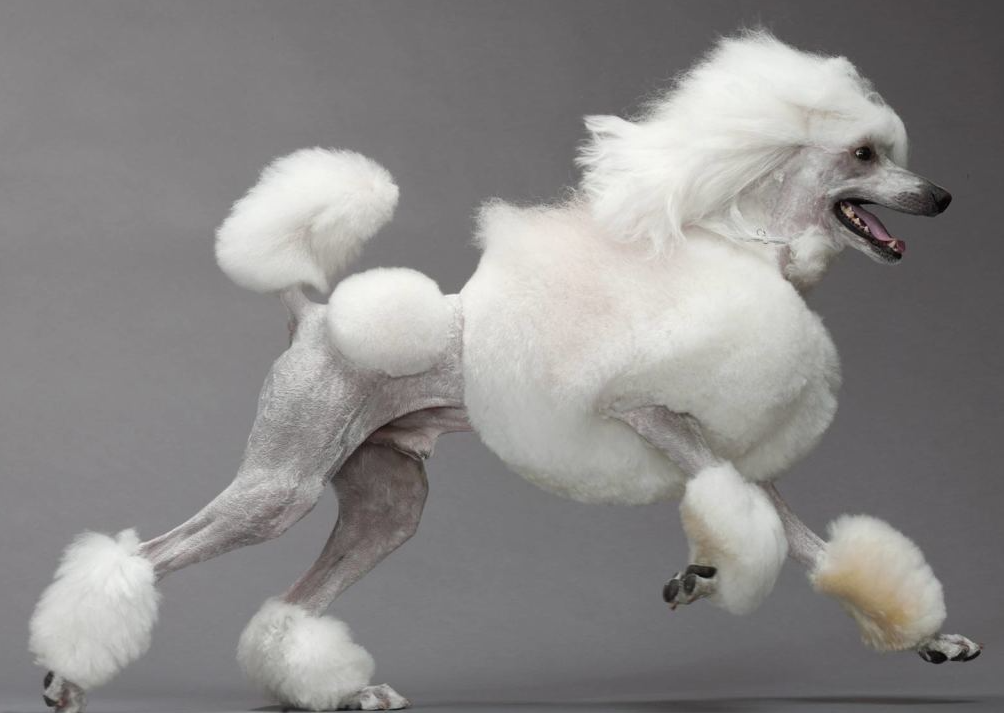
The Poodle, renowned for its intelligence, elegance, and hypoallergenic coat, is beloved by dog enthusiasts worldwide. Its “Teddy Bear” clip is an iconic image of canine cuteness. However, behind this admirable grace lies a serious hereditary health threat—Progressive Retinal Atrophy (PRA), a degenerative eye disease that can ultimately lead to complete blindness. Many owners only become aware of the problem when their dog’s vision is severely compromised, missing the optimal window for early intervention and care adjustment.
Part 2: The Core Disease: Understanding Progressive Retinal Atrophy (PRA)
Progressive Retinal Atrophy (PRA) encompasses a group of inherited retinal diseases characterized by the gradual degeneration and eventual death of the photoreceptor cells (rods and cones) in the retina. This is an irreversible degenerative process. Symptom progression typically follows a clear trajectory: it begins with night blindness (bumping into objects in low light), gradually advances to daytime vision loss, dilated pupils, abnormal light reflexes, and ultimately results in complete blindness. The entire course may span several years, silently stealing the dog’s vision. Notably, Poodles are not only a high-risk breed for PRA (with an incidence rate as high as 15%), but they also face a risk of developing cataracts and glaucoma that is three times higher than that of other breeds.
Part 3: A Clinical Warning, Diagnosis, and Prevention Strategies
Clinical Warning: In 2024, an 8-year-old Miniature Poodle suddenly went blind due to PRA. Its owner recalled, “It used to bump into walls frequently, but I thought it was just being playful.” Subsequent genetic testing revealed that the dog carried the recessive gene for PRA, and both of its parents were asymptomatic carriers. This case highlights the insidious nature of genetic inheritance and the critical importance of regular eye examinations. Diagnosis and Prevention: The key to preventing PRA lies in responsible breeding. It is essential to perform authoritative genetic testing (e.g., Optigen test) on potential parent dogs before breeding to determine their genotype (clear, carrier, or affected) and strictly avoid mating between two “carriers.” This is the only effective way to block the transmission of the disease-causing gene at its source. For owned Poodles, in addition to scheduling regular professional veterinary ophthalmologic exams (including ophthalmoscopy) for early detection, supplementing with antioxidants such as lutein under veterinary guidance may help slow the progression of retinal degeneration.
Part 4: Reflection and a Call for Responsible Action
The “blindness crisis” in Poodles serves as a profound reminder that in our admiration and breeding of a dog breed, we must never prioritize external appeal over internal health. A simple genetic test can prevent a lifetime of suffering for offspring. Responsible breeders have an obligation to use scientific tools to break the cycle of hereditary disease; owners, in turn, need to be informed, vigilant for subtle behavioral changes in their companions (such as hesitation at night or bumping into walls), and seek professional examination promptly. Choosing health is always a more profound and loving decision than choosing appearance alone.