
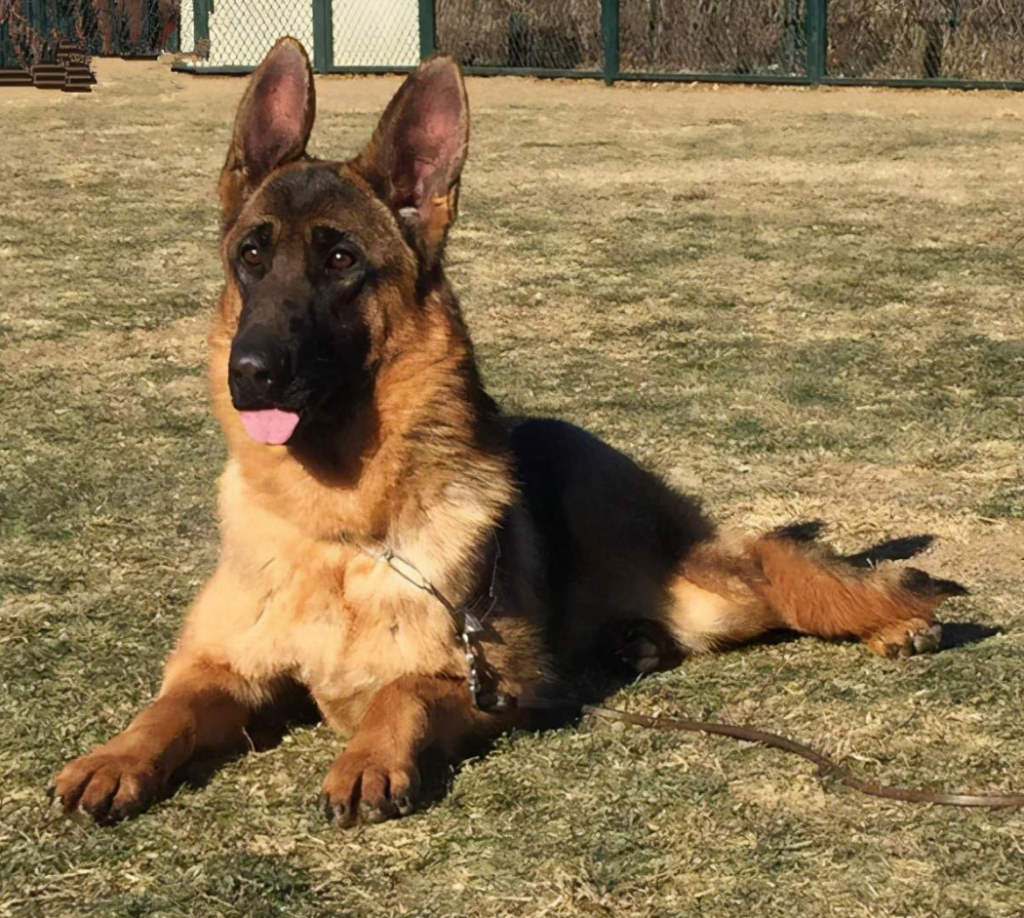
Part 1: A Heroic Breed’s Glory and Its Shackles
The German Shepherd Dog, renowned worldwide for its loyalty, intelligence, and exceptional working ability, has long played the role of a “hero dog” in military, police, search and rescue, and guide dog services. However, this esteemed breed commonly suffers from a debilitating hereditary orthopedic condition known as Hip Dysplasia (HD). In pursuit of the breed’s iconic, powerful “sloping back” physique and angulated hindquarters, some breeders have neglected skeletal health, leading to abnormal cartilage development. This means that beneath the heroic aura lies a heavy burden of pain.
Part 2: The Core Disease: Understanding Hip Dysplasia (HD)
Definition and Case: Hip Dysplasia (HD) is a developmental structural abnormality of the hip joint. The acetabulum (the “socket” in the pelvis) and the femoral head (the “ball” of the thigh bone) do not fit together snugly, leading to joint laxity, instability, abnormal wear, and degenerative arthritis. In 2025, a German Shepherd as young as 3 years old was paralyzed due to severe HD. Its X-rays revealed a severely worn acetabulum and femoral head, described by the veterinarian as “rusty gears” that could no longer function properly. Symptoms and Data: Symptoms typically include weakness in the hind legs, difficulty rising or jumping, a swaying gait (“bunny hopping”), decreased willingness to exercise, and lameness due to pain. In severe cases, the dog may become completely unable to walk, requiring costly total hip replacement surgery (the cost for one side can exceed 50,000 RMB). More alarmingly, due to the intensification of genes linked to the “sloping back” conformation and the prevalence of inbreeding, the genetic risk of HD in German Shepherds has soared to 60%. Root Cause: HD results from a combination of genetics and the environment. The root cause lies in human aesthetic selection. In pursuit of a formidable appearance and a specific gait, breeders have long selected for individuals with excessively angulated hindquarters. This “sloping back” structure alters the biomechanics of the hind limbs, placing abnormal stress on the hip joints and ultimately leading to abnormal cartilage development.
Part 3: Diagnosis, Prevention, and Scientific Management
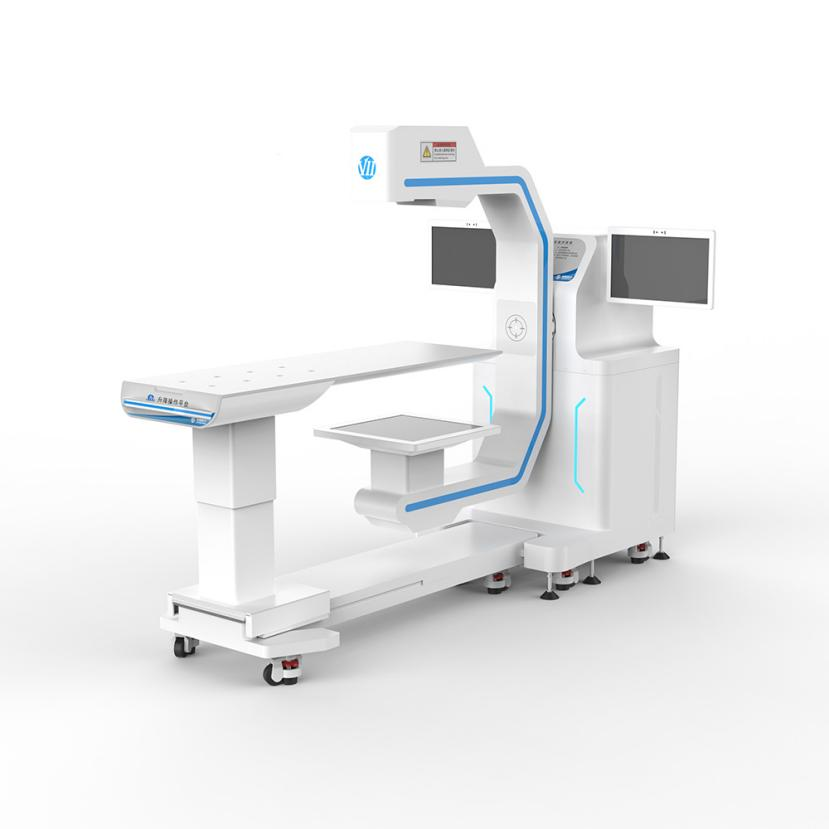
The gold standard for diagnosing HD is radiographic (X-ray) examination. A standard lateral “OFA” (Orthopedic Foundation for Animals) view can assess joint laxity and the degree of arthritis. The more advanced “PennHIP” method can quantify joint laxity using special stress-radiographs in puppies as young as 16 weeks, allowing for earlier and more accurate prediction of future arthritis risk. This is a crucial tool for scientific breeding. Prevention and Breeding Selection: Preventing HD must start at the source. Responsible breeders should conduct strict hip screenings on parent dogs before breeding. Priority should be given to breeding dogs with “PennHIP” certification (indicating excellent joint laxity scores) or “OFA” ratings of Excellent or Good. Absolutely avoid breeding dogs known to have HD or those from high-risk pedigrees. This is fundamental to reducing the disease risk in offspring. Puppy Management and Lifelong Care: For owned German Shepherds, especially puppies, scientific management is critical. During the skeletal growth period (before 18 months of age), it is essential to strictly control weight to avoid obesity, which increases joint stress. Provide balanced nutrition but avoid excessive calcium supplementation. Regarding exercise, encourage regular, moderate activity (like walking or swimming) but strictly prohibit high-intensity, high-impact exercises (like prolonged running, jumping, or climbing stairs) to protect developing joints.
Part 4: Reflection and a Call for Responsibility
The “hip joint shackles” of the German Shepherd Dog is a poignant footnote in its heroic legacy, starkly revealing the consequences of prioritizing aesthetic or functional traits over fundamental skeletal health. The pursuit of an extreme “sloping back” essentially places human visual preferences for power and speed above a dog’s most basic welfare: the ability to walk without pain. Breaking this genetic chain requires breeders to uphold the highest standards, utilizing scientific tools like PennHIP for selection and prioritizing individuals with sound structure. It also requires owners to be informed and provide scientifically-sound, life-stage-specific care. To defend the future of this great breed, we must place the health of their joints above our imagination of the “perfect form.”