

Clinical Case: In 2025, a 5-year-old Golden Retriever was hospitalized due to a sudden fainting episode and was diagnosed with end-stage dilated cardiomyopathy. The veterinarian stated, ‘This disease has an incidence rate as high as 25% in Golden Retrievers. Many owners only realize it’s not an accident when their dog suddenly dies.’ Disease Explanation:
•Symptoms: No symptoms in the early stages; later stages may present with coughing, easy fatigue, and fainting.
Part 1: The Silent Alarm Behind the Warm Smile
The Golden Retriever, beloved worldwide for its friendly nature, warm smile, and exceptional qualities as a family companion, epitomizes sunshine, loyalty, and trust. However, behind this heartwarming grin lies a silent and prevalent “health alert”—a hereditary heart disease that quietly threatens this vibrant breed. Many owners remain unaware until a catastrophic event occurs, only then discovering with horror that their dog’s heart has long been under immense strain.
Part 2: The Core Disease: Understanding Dilated Cardiomyopathy (DCM) in Goldens
Definition and Case: Dilated Cardiomyopathy (DCM) is a disease of the heart muscle characterized by weakened heart muscle and significant enlargement of the heart chambers, particularly the left ventricle. The diseased heart becomes like an overstretched, poorly elastic balloon, with pumping efficiency drastically declining, ultimately leading to congestive heart failure or even sudden death. In 2025, a Golden Retriever as young as 5 years old was rushed to the hospital after collapsing suddenly and was diagnosed with end-stage DCM. The veterinarian stated gravely, “The incidence of this disease is alarmingly high in Goldens. Many owners mistakenly attribute their dog’s sudden death to an accident.” Symptoms and Data: The insidious nature of DCM is what makes it so dangerous. In its early stages, there are often no obvious signs. As the disease progresses, symptoms like coughing (especially at night or at rest), easy tiring, reduced exercise tolerance, and loss of appetite may appear. Late-stage symptoms include extreme difficulty breathing, abdominal fluid buildup (ascites), weakness, and fainting. The statistics are sobering: approximately 25% of Golden Retrievers are affected by DCM, meaning 1 in 4 carries the risk. Among sudden death cases in Goldens over 7 years old, a staggering 60% are directly related to heart disease.
Part 3: Early Screening, Diagnosis, and Proactive Management
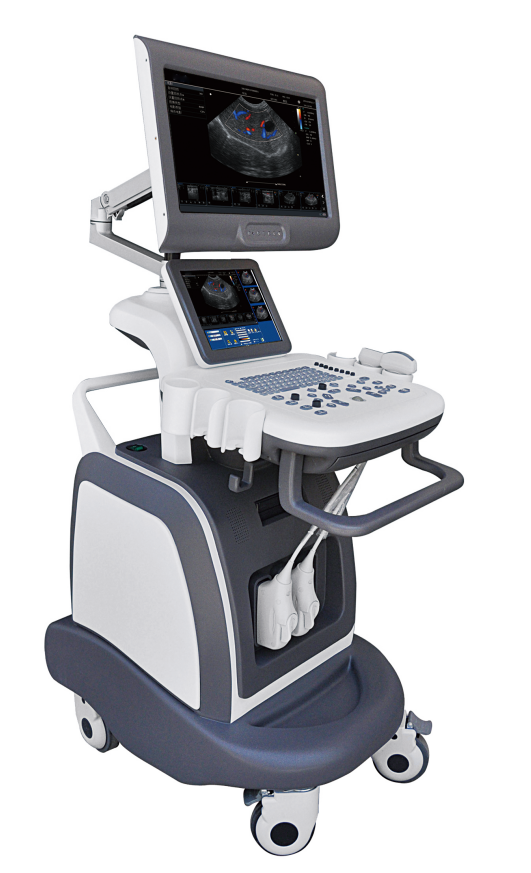
The Golden Standard for Screening: Given DCM’s insidious onset, waiting for symptoms to appear means missing the best window for intervention. For Golden Retrievers, establishing a regular cardiac health screening plan is crucial for safeguarding their lives. It is recommended to start annual systematic heart screenings at the age of 4. The core screening combination includes:
- Echocardiogram (Cardiac Ultrasound): This is the “gold standard” for diagnosing DCM, allowing direct visualization of heart size, wall thickness, and pumping function.
- Blood Test: Measuring NT-proBNP. This biomarker rises significantly when the heart chambers are under stress and is a sensitive indicator for detecting early cardiac dysfunction, particularly useful for monitoring before symptoms appear. Lifestyle Management:
- Dietary Management: Provide high-quality dog food, maintain a low-sodium diet to reduce cardiac workload, and avoid high-fat foods to support overall cardiovascular health.
- Exercise Management: Encourage regular, moderate exercise (like walking or swimming), but intensity should be adjusted based on the cardiac condition, avoiding sudden strenuous activity or overexcitement.
Part 4: Reflection and Responsible, Proactive Action
The DCM crisis in Golden Retrievers reveals a harsh reality: the health risks of the most popular breeds can be masked by their warm, appealing exterior. Loving them should mean more than just enjoying their companionship; it requires proactively assuming the forward-looking responsibility of health guardianship. This means moving beyond passive “treatment” to active “prevention”—treating annual echocardiograms and NT-proBNP tests as essential routine health measures, as important as vaccinations. Furthermore, supporting responsible breeders who incorporate cardiac screening and genetic testing into their breeding programs is fundamental to reducing the disease risk at the population level. Let us use science and action to protect their hearts—hearts as loyal as gold, and as precious as gold in need of careful care.