



A cat that eats more and more yet grows thinner and thinner may be consumed by a “sweet” disease. Feline diabetes quietly raises blood sugar until it drains your cat’s vitality.
1. What Is Feline Diabetes Mellitus?
Diabetes mellitus (DM) is a common feline endocrine disorder, usually “type 2-like”: insulin resistance combines with declining beta-cell function, and many cats develop amyloid deposits in the pancreas, leaving insulin secretion insufficient. Obesity, indoor living, middle-to-old age, male sex, Burmese breed, corticosteroid use and acromegaly all raise risk. Chronically high blood sugar forces the body to burn fat and muscle—so the cat eats more yet wastes away.
2. What Are the Warning Signs?
Classically, four linked signs:
· Increased thirst and urination—glucose spills into urine above the renal threshold, dragging water with it
· A hearty appetite paired with steady weight loss
· Lethargy, a poor coat, slow wound healing and frequent infections
· Hindlimb weakness and a “plantigrade” stance—diabetic neuropathy
· Severe cases develop vomiting, anorexia and dehydration—diabetic ketoacidosis (DKA), an emergency
3. How Is It Diagnosed?
The key is persistent hyperglycemia. A single high glucose value may reflect stress (cats readily develop stress hyperglycemia in clinic), so glucosuria and repeat testing are essential; fructosamine reflects average glucose over the past two to three weeks. Clinicians also screen for concurrent disease—pancreatitis, chronic kidney disease, hyperthyroidism, acromegaly and infection—and check urine ketones.
4. How Is It Treated?
1. Insulin: most cats need staged or lifelong injections (e.g. glargine, detemir, protamine zinc insulin)
2. Diet: low-carbohydrate, high-protein food, with fixed routines and feeding times
3. Weight and exercise management
4. Monitoring: glucose curves, home monitoring or continuous glucose monitors (CGM)—with vigilance for hypoglycemia
5. Reaching for Remission
Some cats—especially those treated early with glargine plus a low-carbohydrate diet—achieve diabetic remission: normal glucose even after insulin is withdrawn. Remission is not a cure, but it can greatly improve quality of life; early, disciplined, tightly controlled treatment is the strongest trigger.
6. Complications and Daily Care
DKA demands emergency care; chronic hyperglycemia damages nerves, invites infection and accelerates kidney disease. At home, record water intake, appetite, weight and demeanor, follow veterinary rechecks to adjust dosing, and stay in close contact with your veterinarian.
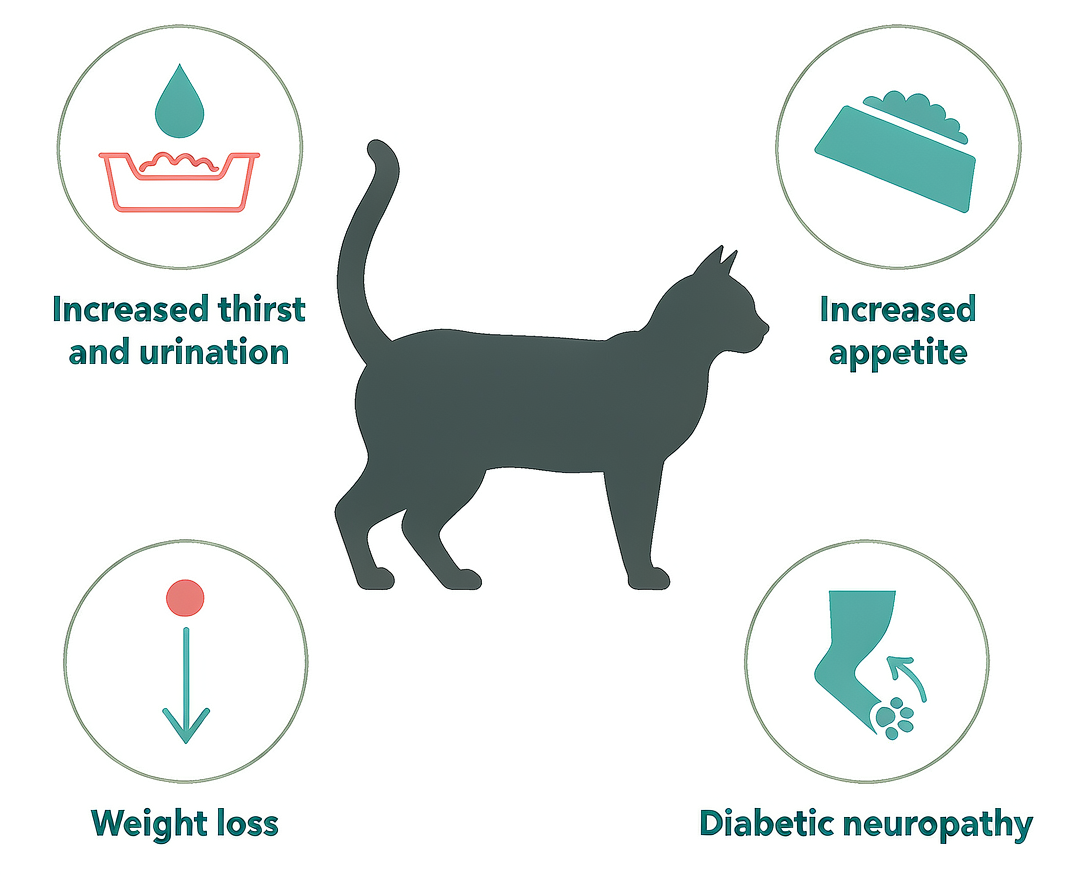
Figure 1. Classic signs of feline diabetes — thirst and urination, appetite, weight loss, and diabetic neuropathy.
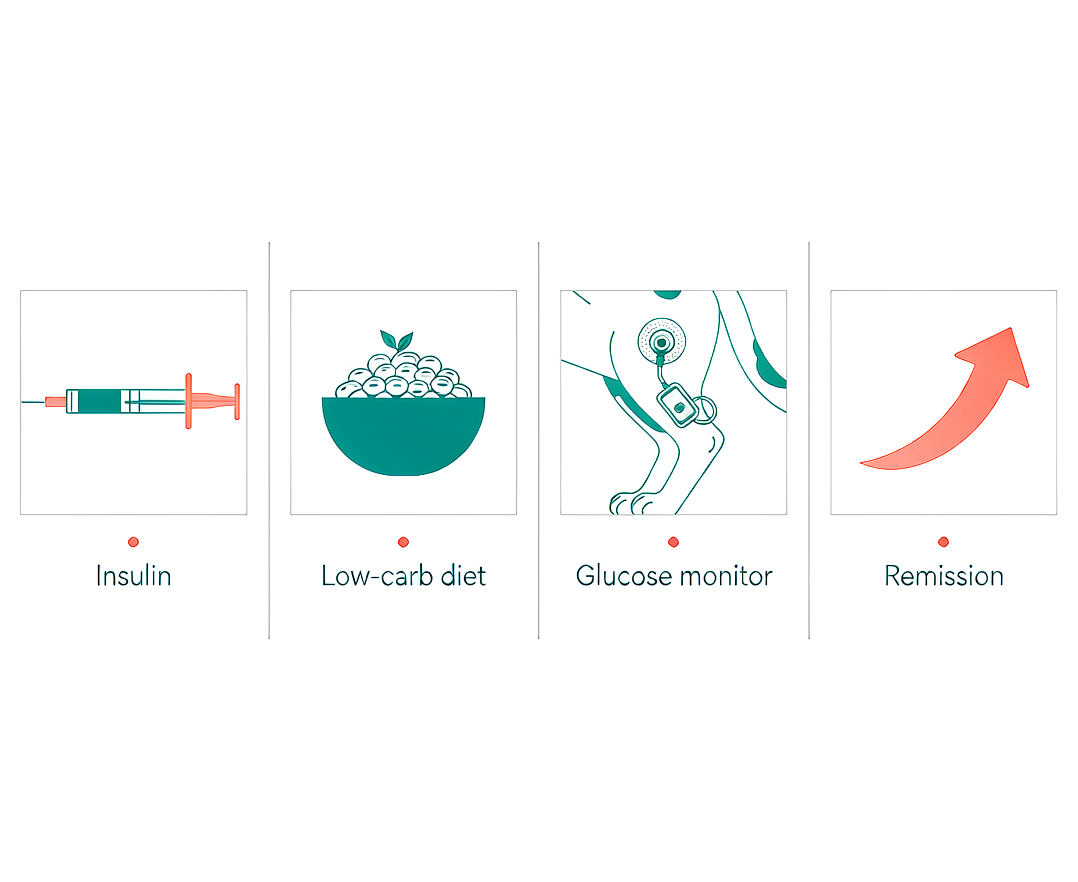
Figure 2. Four pillars of management — insulin, low-carbohydrate diet, glucose monitoring, and chasing remission.
Terminology Sources
· Diagnosis & management — Sparkes AH et al., ISFM Consensus Guidelines on the Practical Management of Diabetes Mellitus in Cats, J Feline Med Surg, 2015.
· Pathogenesis, complications & concurrent disease — Ettinger SJ, Feldman EC, Cote E, Textbook of Veterinary Internal Medicine, Elsevier, 2024.