


1. What Is Cat Bladder Stone Surgery?
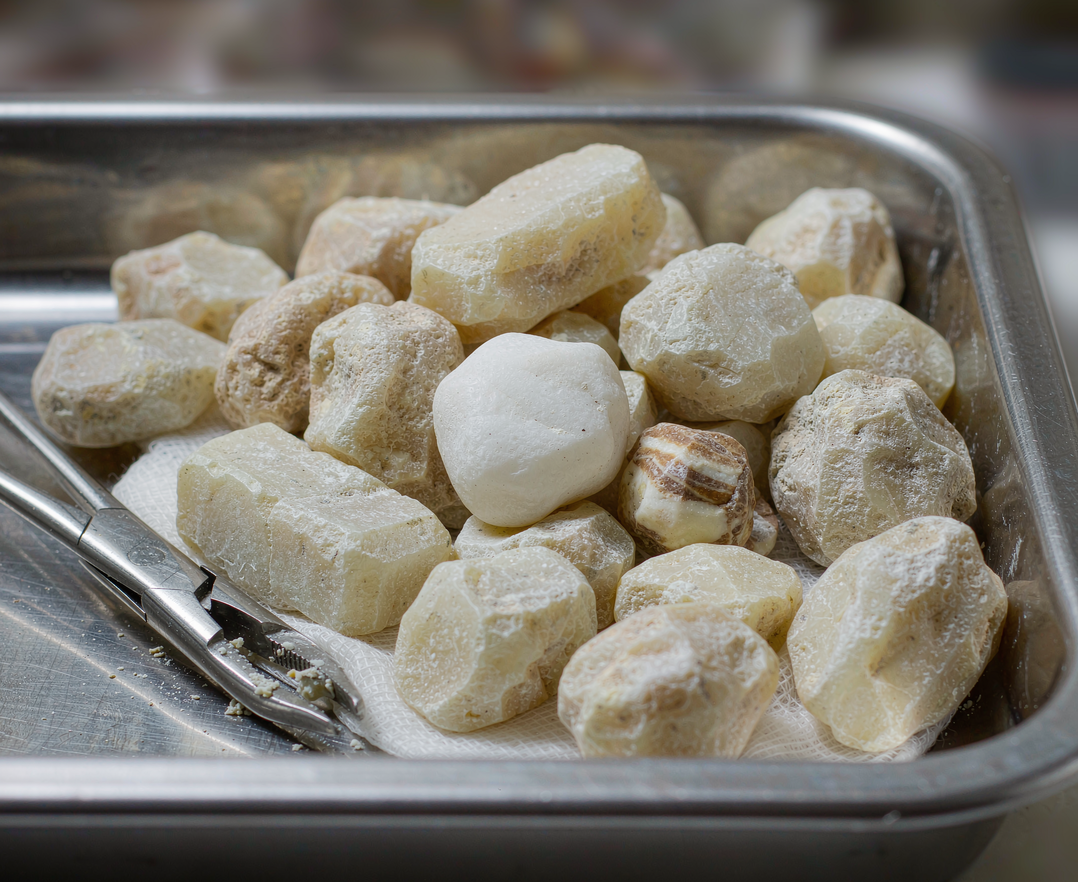
Bladder stones (uroliths) are mineral aggregates that form inside the bladder; the most common types are struvite and calcium oxalate. Cystotomy—surgical incision of the bladder to remove stones—is the classic procedure. In male cats with recurrent urethral obstruction, a perineal urethrostomy (PU) may be needed to widen the urethral opening and reduce blockage.
2. Why Is Surgery Needed?
Indications include stones too large to dissolve, calcium oxalate stones (which do not dissolve), recurrent obstruction or urethral blockage (an emergency), and concurrent infection or tumor. A blockage lasting more than 24–48 hours can cause acute kidney injury and hyperkalemia, and may be life-threatening, so it must be treated urgently rather than observed.
3. Preoperative Preparation and Diagnosis
Imaging (radiography and ultrasound) localizes the stone’s position and size, while urinalysis and urine culture assess infection, and kidney function and electrolytes are checked. Fast for 6–8 hours. Cats with obstruction are first catheterized to relieve the blockage and stabilized by correcting electrolyte imbalances before surgery.
4. Surgery and Anesthesia
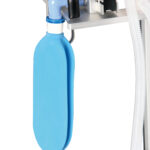
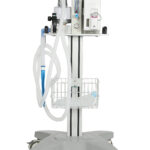
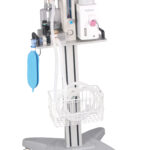
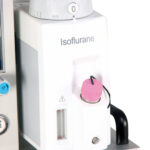
Surgery is performed under general anesthesia with intraoperative monitoring. After cystotomy and stone removal, the bladder is flushed and urethral patency confirmed; a urinary catheter is placed as needed. In male cats with recurrent blockage, perineal urethrostomy widens the urethral opening and lowers recurrence risk, though dietary and hydration management remain essential.
5. Postoperative Care
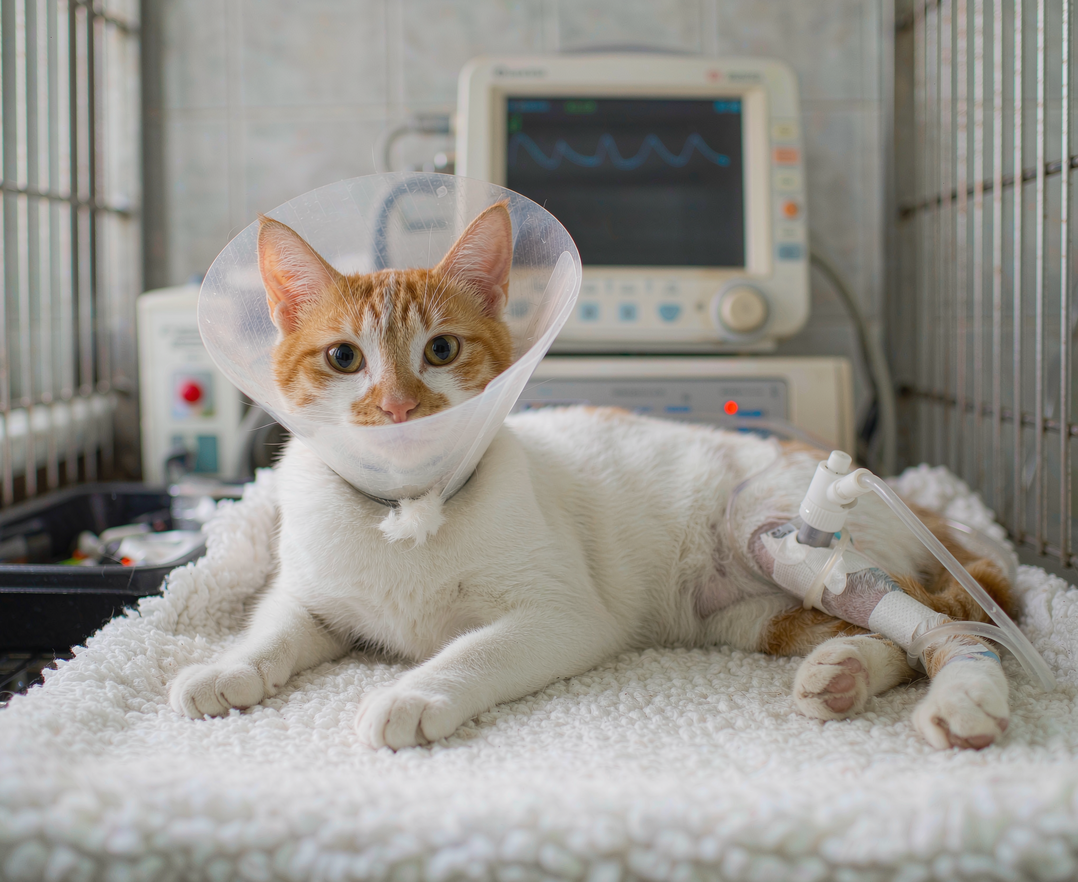
Priorities are increasing water intake and using wet or prescription diets to dilute urine. Monitor urination, urine volume and any blood. An Elizabethan collar, restricted activity and wound care are important. Diet is tailored to stone type: acidifying or dissolution diets for struvite, and reduced oxalate precursors with dilute urine for oxalate stones.
6. Risks, Myths and Prevention
Postoperative risks include bleeding, urine leakage, infection and recurrence. Common myths are that stone removal is a one-time cure or that surgery alone is enough without dietary change. Prevention centers on diluting urine, reducing crystal-forming substrate and encouraging drinking (more wet food), plus environmental enrichment to lower stress—stress is closely linked to feline idiopathic cystitis (FIC), a major driver of stones and blockage.
Source: Fossum TW, Small Animal Surgery, 5th ed., Elsevier, 2019; Lulich JP et al., ACVIM consensus on urolithiasis.