



1. What Is Feline Foreign Body Removal?
When a cat swallows a foreign body, it may lodge in the stomach or intestine and cause obstruction or even perforation. Removal options include endoscopy (for gastric and some upper-intestinal objects) and open surgery (gastrotomy or enterotomy). Linear foreign bodies—string, rope, hair ties—are the most dangerous, as they cause intussusception and cutting perforation.
2. Why Is Surgery Needed?
Indications include complete obstruction, sharp or linear objects, failed endoscopy, and established peritonitis. Typical signs are frequent vomiting, loss of appetite, abdominal pain, lethargy and absence of defecation; a string pulled taut under the tongue is an important clue that warrants prompt veterinary care.
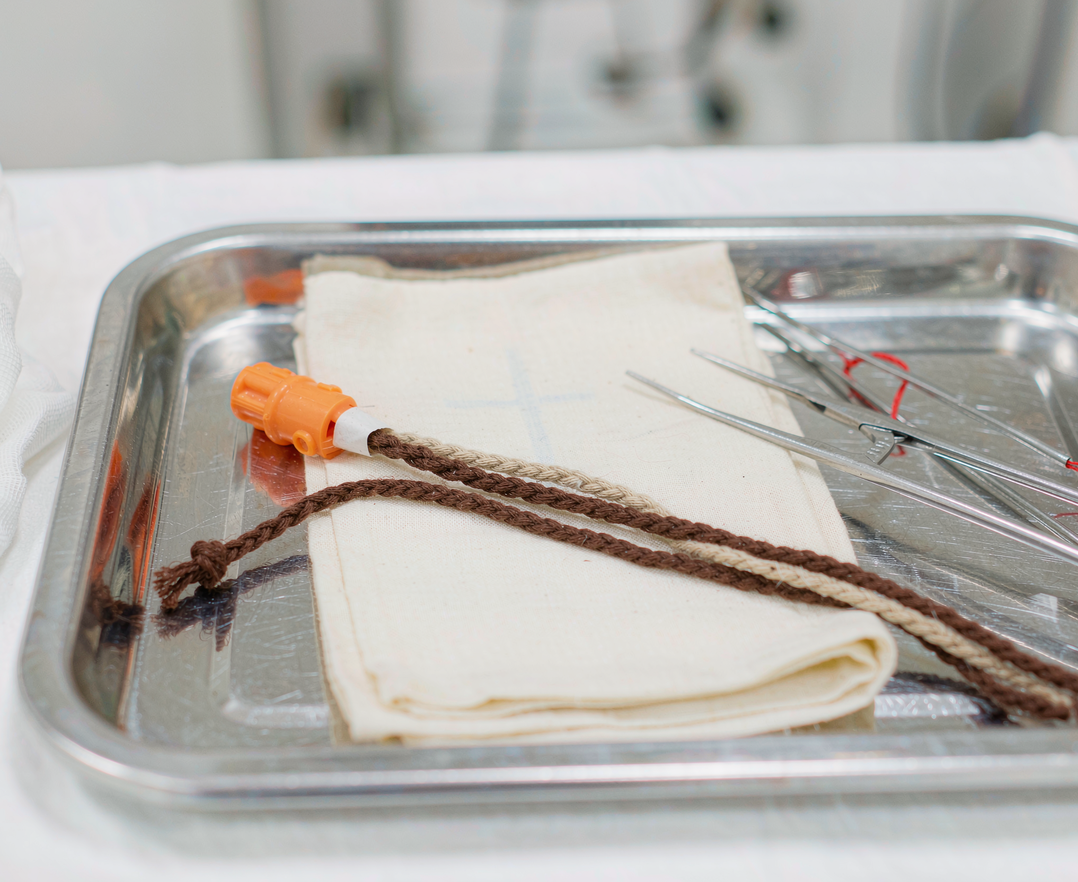
3. Preoperative Preparation
Imaging guides assessment: radiography shows metallic or dense objects, but linear foreign bodies often produce no abnormal radiograph and must be evaluated by ultrasound. Bloodwork assesses overall status and inflammation. Fasting is used as appropriate, and the patient is stabilized before surgery.
4. Surgery and Anesthesia
Surgery is performed under general anesthesia with intraoperative monitoring. Exploratory laparotomy with gastrotomy or enterotomy removes the object; linear foreign bodies often require multiple enterotomies to avoid tearing the bowel. Intraoperative assessment of bowel viability (color, motility, blood supply) is critical, and nonviable segments must be resected and anastomosed.
5. Postoperative Care
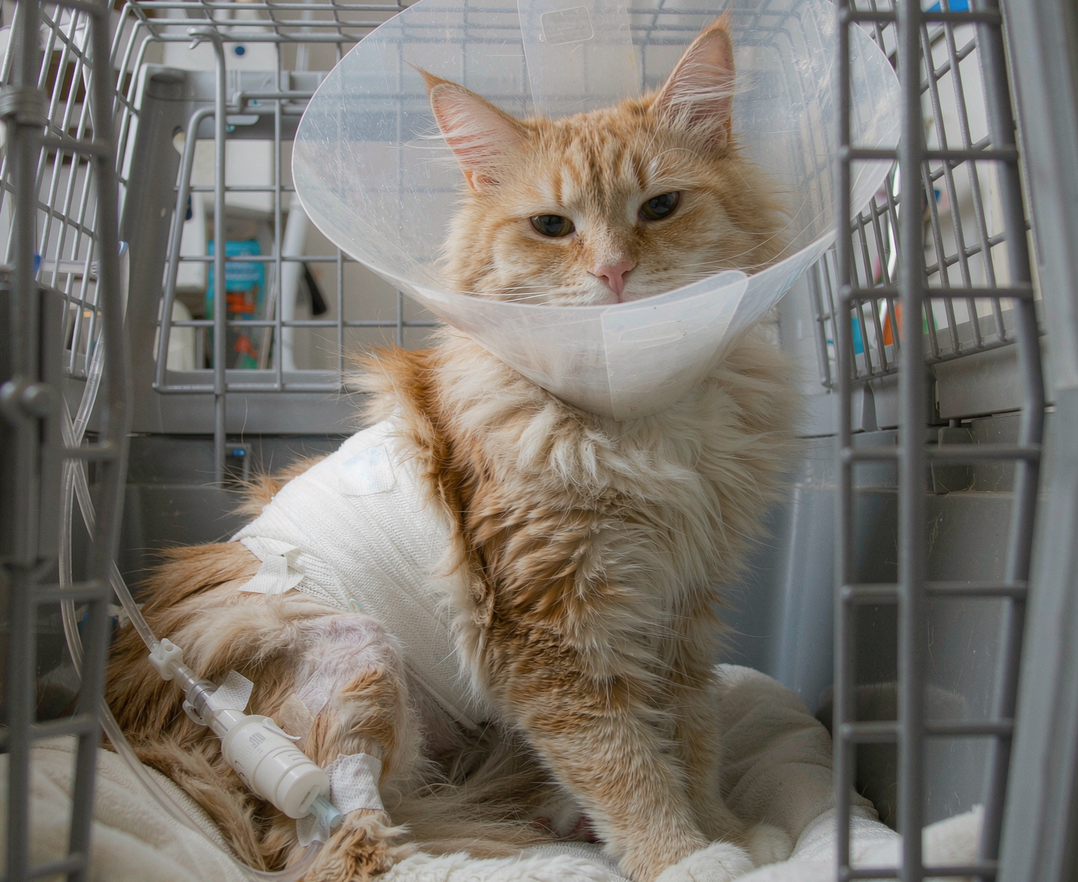
Provide intravenous fluids and adequate analgesia, and monitor vomiting, defecation and abdominal signs. Introduce soft food gradually and use an Elizabethan collar. Watch closely for signs of peritonitis and anastomotic leakage (fever, worsening pain, deteriorating mentation); seek care immediately if anything is abnormal.
6. Risks, Myths and Prevention
Risks include peritonitis, intestinal leakage, adhesions and short-bowel syndrome after extensive resection. Common myths—that a cat will simply vomit the object up, or that string passes on its own—can delay treatment and lead to fatal perforation. Prevention centers on safely storing string, rope, hair ties, needles, small plastic items and string toys, and offering safe alternatives.
Source: Fossum TW, Small Animal Surgery, 5th ed., Elsevier, 2019; Ettinger & Feldman, Textbook of Veterinary Internal Medicine, Elsevier, 2024.