



1. What Is Feline Chronic Stomatitis?
Feline chronic gingivostomatitis (FCGS) is a severe immune-mediated inflammation of the oral mucosa, with diffuse redness and ulceration of the caudal mouth (fauces, buccal mucosa, tongue base) beyond periodontal disease. It links to persistent calicivirus (FCV), aberrant immunity, and plaque triggering. It is not simple gingivitis—it is an overreaction to plaque, so routine cleaning rarely cures it.
2. When to See a Vet
Hallmarks: profuse ropy drooling, halitosis, painful eating—cats pick up food, chew a few times, then drop it; weight loss, poor coat, frequent lip-licking or swallowing, bruxism, and face-aversion. Some sit with neck extended from throat pain. Severe cases show cobblestone pharyngeal hyperplasia. Any age is affected; the course is chronic and relapsing.
3. Diagnosis and Examination
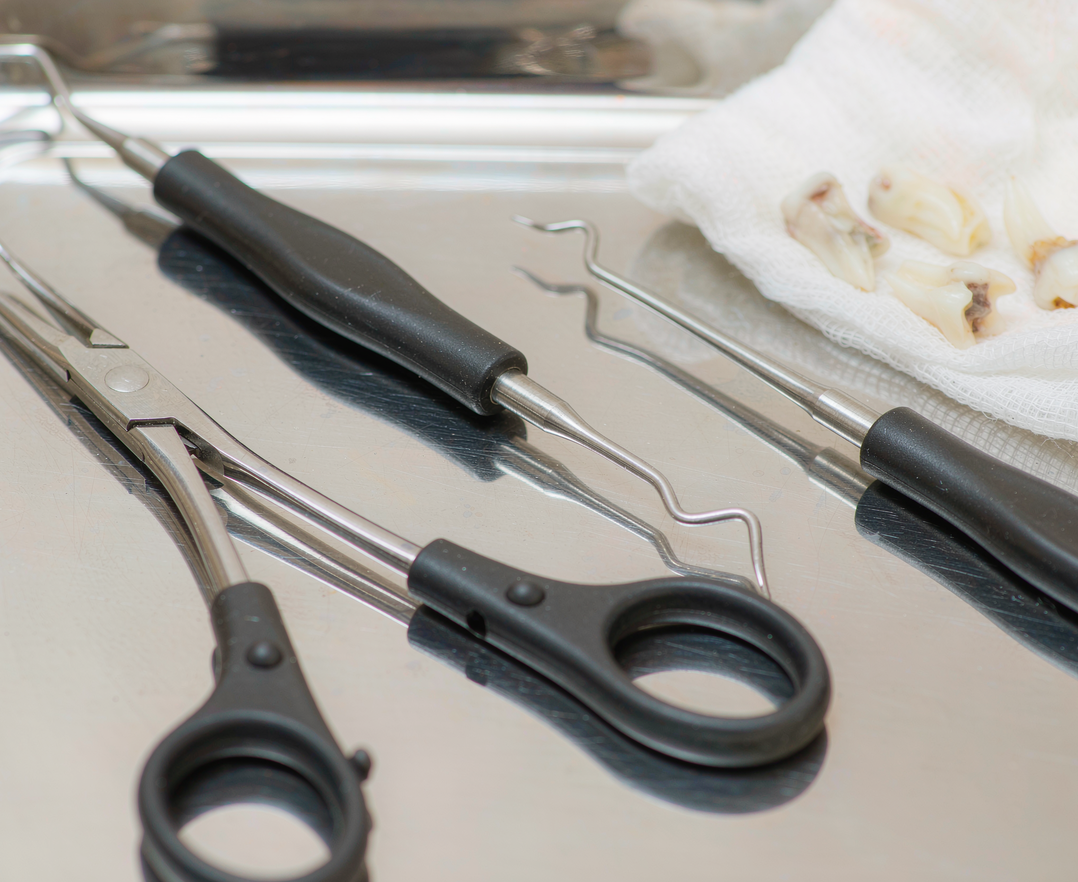
Anesthetized oral exam reveals widespread lesions plus history; dental radiographs assess periodontitis and tooth resorption (FORL, often coexists); PCR for FCV; biopsy rules out neoplasia or eosinophilic granuloma. Differentiate from periodontal disease, FORL, and tumors. Grading (e.g., Lynch) guides intensity. Early intervention prevents severe cachexia.
4. Treatment
Core: control pain and the immune over-response. First-line is full-mouth extraction (often retaining select teeth), removing the plaque trigger—60%–80% improve or remit; nonsurgical candidates use glucocorticoids or cyclosporine. Adjuncts: analgesia (butorphanol), antibiotics, interferon. Soft food for weeks post-op. Cleaning is adjunctive, not a substitute for extraction.
5. Home Care
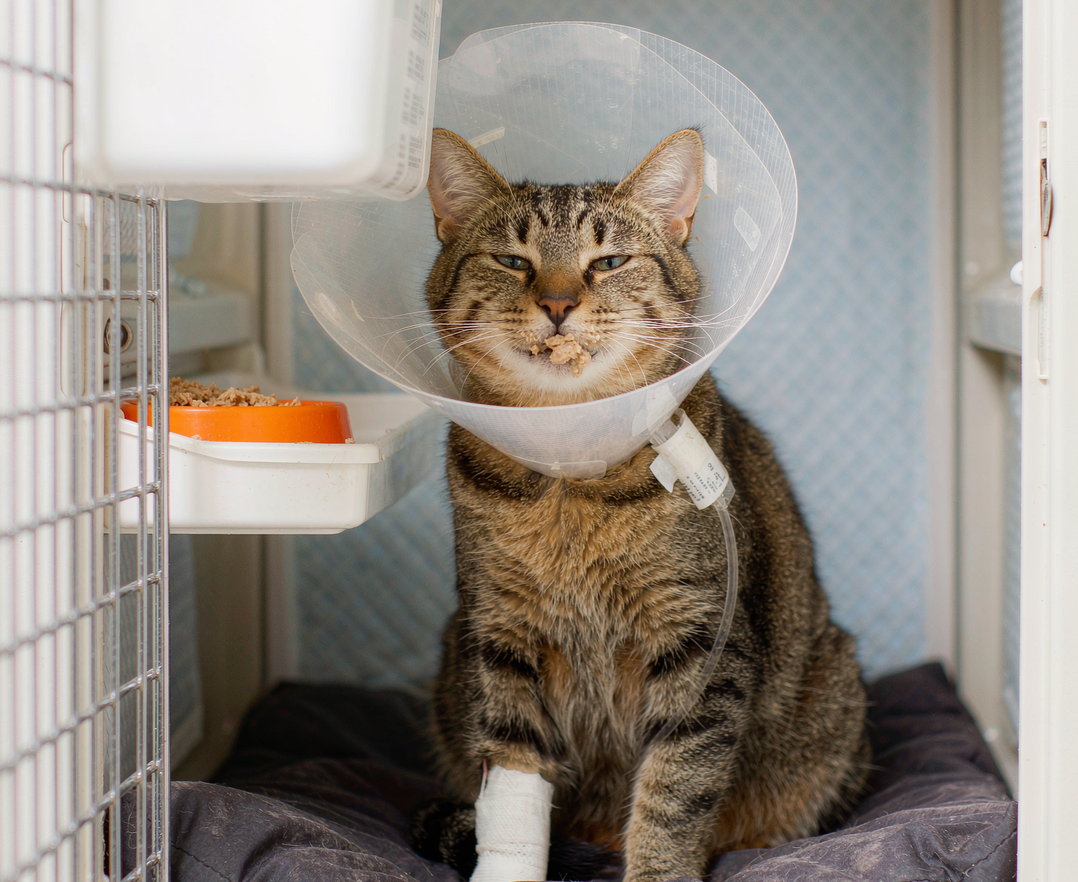
Post-op: strict soft or pureed diet 2–4 weeks, no hard kibble; E-collar; prescribed analgesia and immunosuppressives; regular oral rechecks; pet oral rinse or gel for maintenance; minimize stress (triggers FCV flares). Nonsurgical cases need long-term medication and oral care with weight and intake monitoring.
6. Risks, Myths and Prognosis
Risks: severe malnutrition, dehydration, coexisting FORL, chronic analgesic side effects. Myths: ‘cleaning cures it’ (extraction is key), ‘drooling means hungry’ (it signals pain), ‘old age, that is just how it is’ (treatable). Prognosis: most regain quality of life after full-mouth extraction; a minority need long-term immunosuppression; delay causes cachexia and organ damage. With proper care, most cats recover eating and weight.
Source: Girard N, Veterinary Dentistry: A Team Approach, 3rd ed., Elsevier, 2020; Lobprise HB, Dodd JR, Wiggs’s Veterinary Dentistry, 2nd ed., Wiley-Blackwell, 2019.