

The 5 Most Common Behavioral Problems in Parrots That Bird Owners Have Encountered!
The 5 Most Common Behavioral Problems in Parrots
That Bird Owners Have Encountered!
If you’ve ever kept a parrot, chances are you’ve been baffled by its various “confusing behaviors,” unsure of how to manage them. There’s no need to worry; almost all bird enthusiasts have experienced these issues. Understanding the reasons and solutions for these common problems can make managing your parrot much easier.
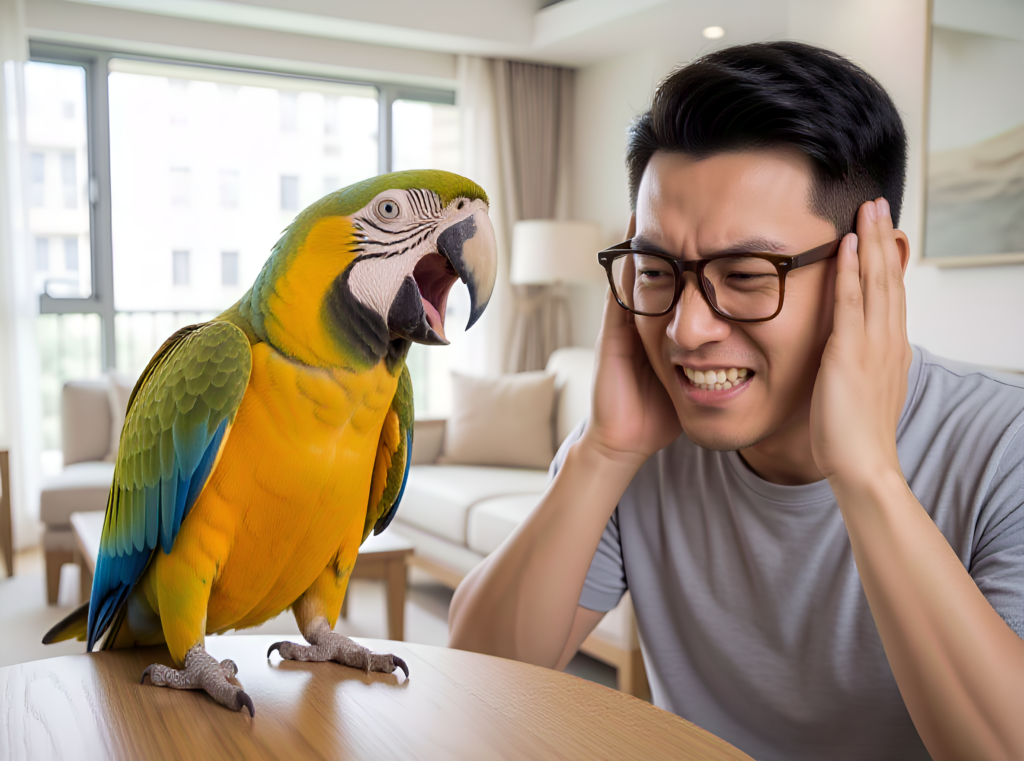
Excessive Screaming
Issue: This is one of the most frustrating problems for bird owners, often ranking among the top three complaints. In the wild, parrots use loud calls to communicate with their flock over long distances. However, such noise is unnecessary at home.
Solution: Ensure your parrot has enough companionship, interaction, and toys to keep it entertained. When it’s not lonely or bored, excessive screaming will significantly decrease. This also helps prevent disturbing neighbors.
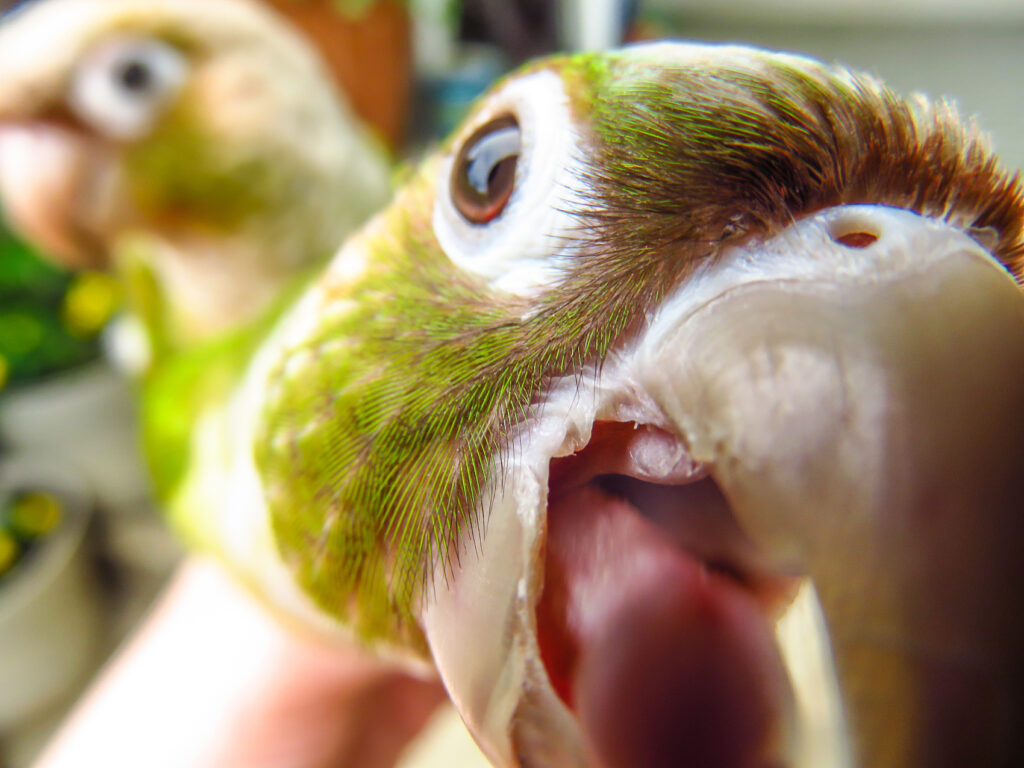
Biting
Issue: Many owners have been bitten by their parrots. Often, this isn’t an intentional attack but rather a way for the parrot to explore or test objects with its beak, which can be mistaken for aggression. True aggression due to mood swings or fear does occur as well.
Solution: Understand the context and distinguish between playful mouthing and actual biting. If unsure, consult a veterinarian or a professional avian behaviorist rather than guessing.
Territorial Behavior and Moodiness
Issue: Parrots can become territorial over their cage, toys, or even food. This behavior is often linked to hormonal changes, especially during breeding seasons when they become more irritable and defensive.
Solution: If the behavior is seasonal, it’s likely hormone-related and will pass. Spend more time interacting with your parrot to build trust and reassure it that there’s no need to defend its territory.
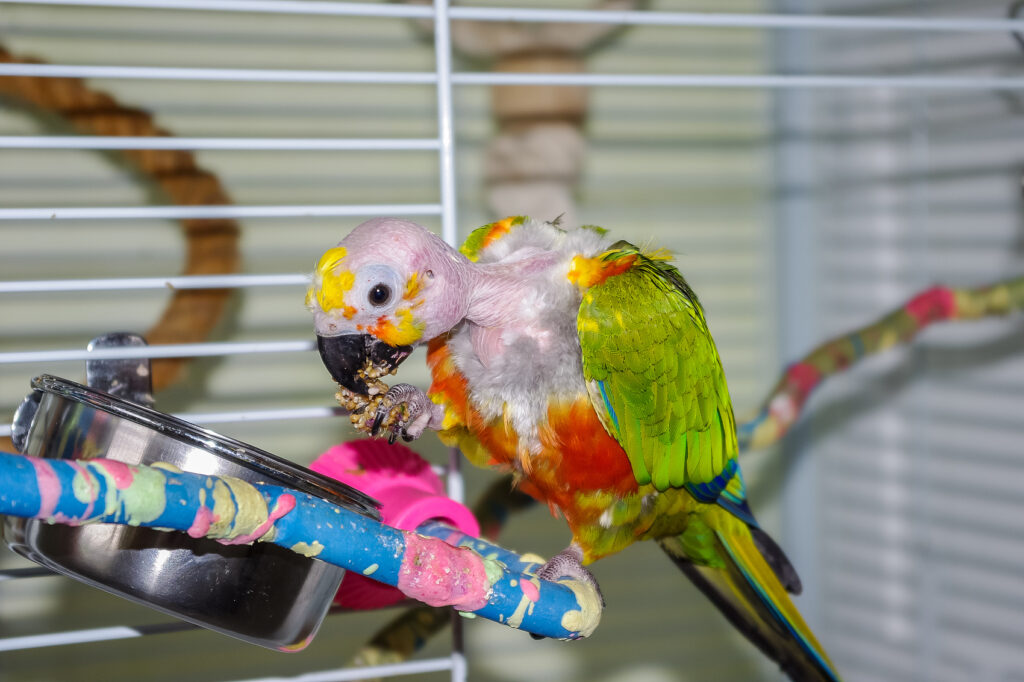
Feather Plucking
Issue: Feather plucking or chewing is usually a sign of psychological distress, such as anxiety, depression, or boredom. It can also be caused by health issues like skin diseases, parasites, or nutritional deficiencies.
Solution: First, consult a vet to rule out any health problems. If the bird is healthy, evaluate its environment: Is it getting enough attention? Does it have opportunities to play outside the cage? Are there enough toys? Stress and depression are common causes of feather plucking.
Destructive Chewing
Issue: Destructive behaviors like dismantling toys, gnawing on the cage, or chewing furniture are typically signs of boredom, neglect, or emotional distress. Some health conditions can also cause increased chewing behavior.
Solution: If health issues are ruled out, consider environmental factors: Has the cage been moved recently? Changes in the environment can stress parrots, leading to destructive behavior. Providing more toys and spending more time with your parrot can help alleviate this issue.
Summary:
Understanding and addressing these five common behavioral problems—excessive screaming, biting, territorial behavior, feather plucking, and destructive chewing—can greatly improve your relationship with your parrot. By ensuring adequate social interaction, providing stimulating environments, and consulting professionals when necessary, you can create a happier, healthier life for your feathered friend.