

These 5 Parrots Are Not Recommended as Pets for Children
Many children are captivated by the talking ability and striking appearance of parrots, often begging to keep one as a pet. However, parrots differ significantly from cats or dogs; many species have high demands for their living environment, time spent with them, and safety considerations, making them unsuitable companions for young children. Below are five types of parrots that should be avoided, both for the child’s safety and the bird’s well-being.
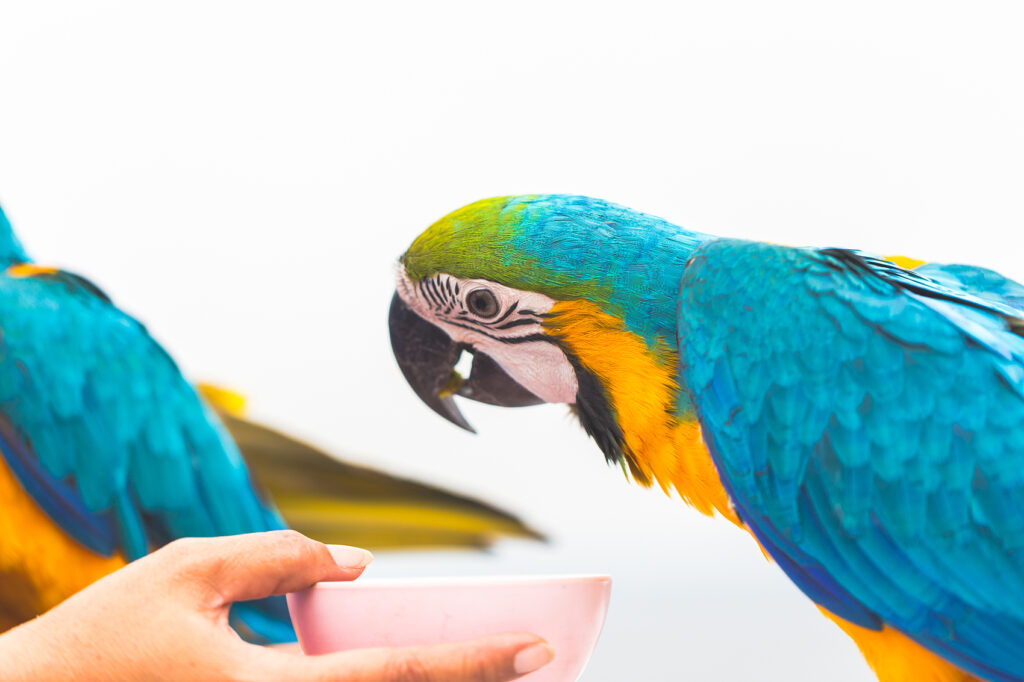
Characteristics: Large and powerful, macaws are “large predatory parrots” with extremely strong beaks. A playful bite can cause serious injury or even fractures in children. They require vast amounts of space and prolonged interaction daily, which children cannot provide. With lifespans extending into several decades, they are long-term family pets, not toys for kids. Start with small, gentle breeds if considering a parrot.
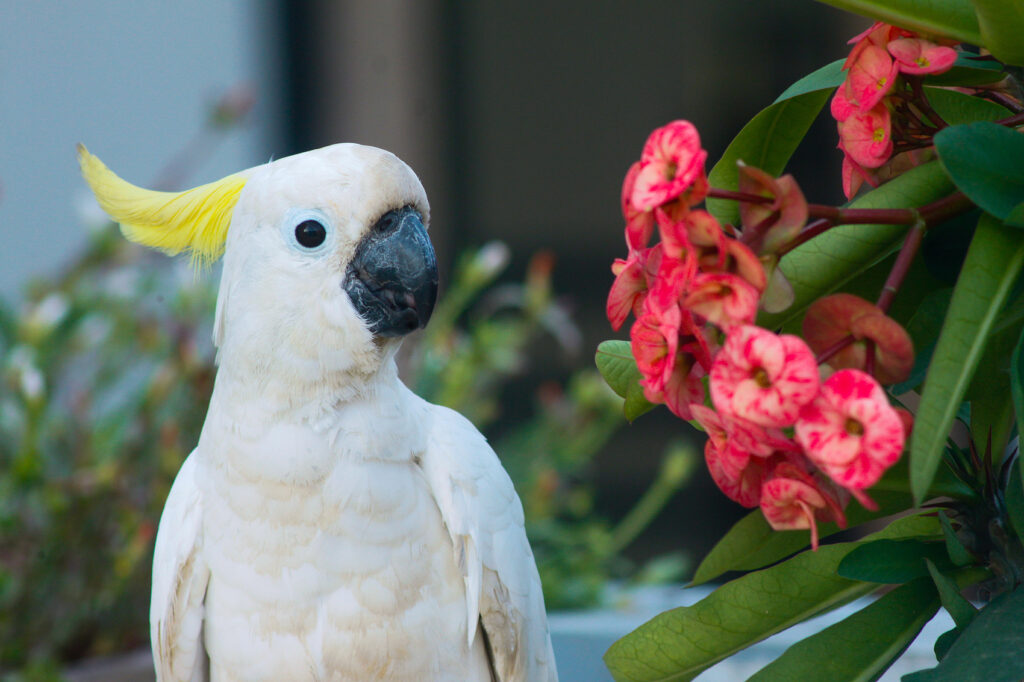
Macaws
Characteristics: Large and powerful, macaws are “large predatory parrots” with extremely strong beaks. A playful bite can cause serious injury or even fractures in children. They require vast amounts of space and prolonged interaction daily, which children cannot provide. With lifespans extending into several decades, they are long-term family pets, not toys for kids. Start with small, gentle breeds if considering a parrot.
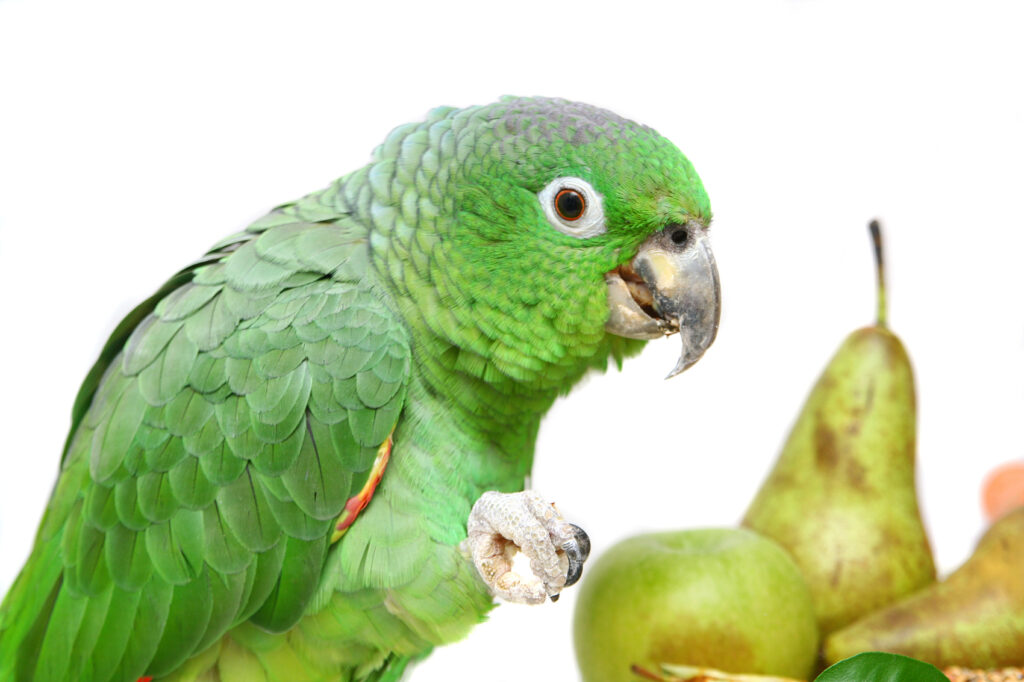
Amazon Parrots
Characteristics: Larger in size and capable of mimicking human speech, Amazon parrots seem attractive but come with high maintenance needs. They require spacious cages and ample room for activity, which most households cannot accommodate. Frequent social interaction is necessary; otherwise, they may develop behavioral issues like depression, excessive noise, and destructive tendencies. Adult Amazons have strong territorial instincts and mood swings, making them unsuitable for inexperienced children. Being able to talk does not equate to being easy to care for; they are better suited for experienced adults.
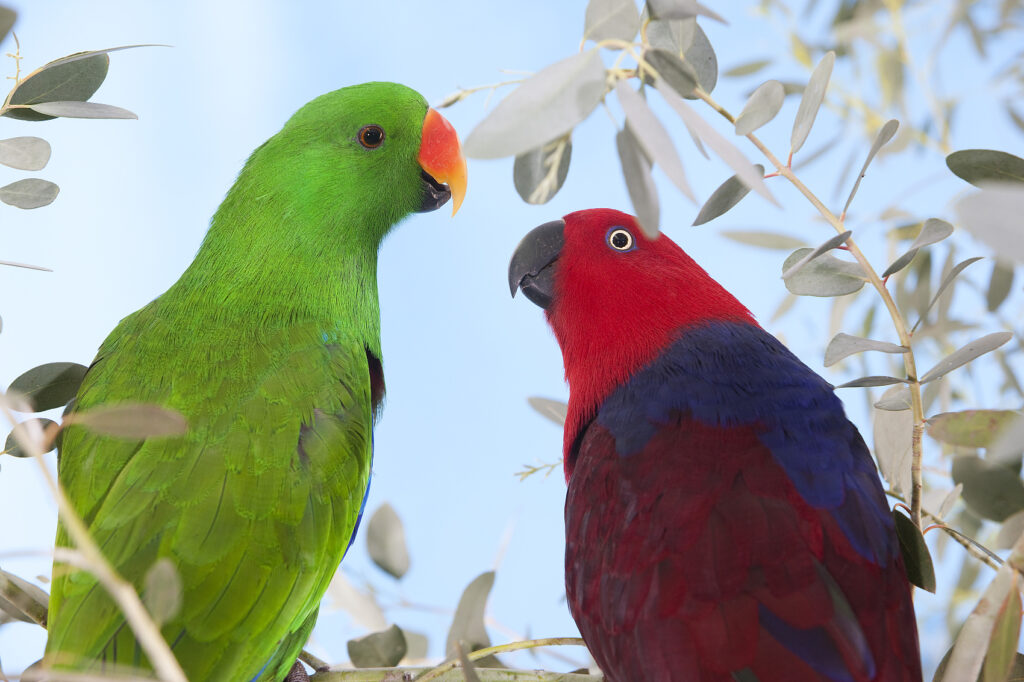
Eclectus Parrots
Characteristics: Known for their striking gender dimorphism and beauty, Eclectus parrots are highly sensitive. They demand specific environments, owner emotions, and interaction styles. Loud noises and rough handling by children can easily stress them out. They form strong bonds with their owners, requiring consistent, attentive care that children might struggle to maintain. When startled or agitated, they can become aggressive, posing a biting risk. These birds are best suited for meticulous caretakers, not careless or impatient children.
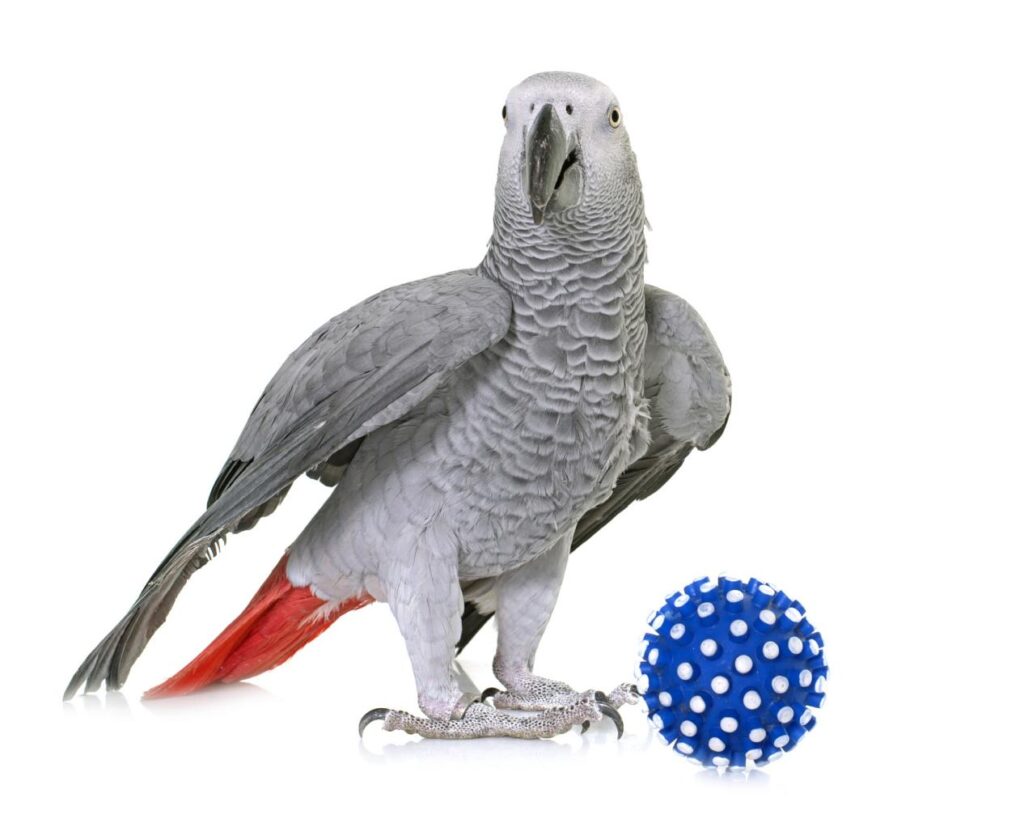
African Grey Parrots
Characteristics: Highly intelligent and often referred to as the “Einstein of the bird world,” African Greys are challenging to raise. Extremely sensitive and thoughtful, they need gentle, patient, and stable companionship, which children find difficult to provide. Changes in environment, neglect, or rough play can lead to anxiety, aggression, and depression. Additionally, they are protected under national laws, making it illegal to keep them without proper permits. Their high upkeep costs and long lifespans make them unsuitable for children.
Recommendations: If your child is truly interested in having a pet bird, consider starting with gentler, easier-to-care-for species like cockatiels, peach-faced lovebirds, or small conures. In summary, large parrots, highly intelligent parrots, aggressive parrots, and overly dependent parrots are not suitable for children. Prioritize safety, followed by ease of care, and then consider fun, to ensure the right choice for a child-friendly pet bird.







发表回复